Digital marketing changes so quickly that even seasoned marketers feel like they’re trying to jump onto a moving train. New platforms launch, algorithms shift, and customer expectations evolve faster than ever. Yet one question refuses to go away: What are the most effective digital marketing strategies today—and which of them actually drive ROI for US businesses?
This guide breaks everything down in a practical, actionable way. You’ll explore proven digital marketing strategies, the most effective digital marketing methods, and advanced online marketing techniques that consistently help companies increase traffic, generate leads, and boost online sales. You’ll also see how data-driven marketing, AI in digital marketing, and omnichannel customer experiences are reshaping the landscape.
Understanding What Effective Digital Marketing Strategies Really Mean
Before you pick channels or build campaigns, take a moment to understand the foundation. A digital marketing strategy is not a random set of online advertising tactics. It’s a carefully planned roadmap that helps you improve your online presence, drive traffic, and convert users across multiple touchpoints.
A strategy answers questions like:
Who are you talking to?
What do they care about?
Why should they pay attention to you instead of a competitor?
Which online marketing channels drive the highest ROI?
How will you measure success?
In other words, think of your strategy as the navigation system for your marketing engine. Tactics are simply the turns you take along the way.
US businesses rely more heavily on a digital marketing plan today because consumer behavior has shifted dramatically. People shop, compare, research, complain, and buy online—often across five or more channels before making a final decision. Without a strategy, you’re not invisible, but you’re certainly forgettable.
Why You Need a Digital Marketing Strategy Before You Spend a Dollar
Jumping into promotion without a plan is like pouring water into a bucket with holes. You burn money fast, but little gets absorbed. A structured digital marketing plan helps you focus on what matters, whether that’s customer acquisition strategies, brand awareness techniques, or performance marketing tactics that improve conversions.
A smart strategy protects your budget by:
Eliminating guesswork
Prioritizing high-ROI channels
Streamlining messaging
Using data to guide direction
Improving consistency across every touchpoint
The US market demands a higher level of precision. Competition is intense, and consumers can recognize poorly executed online branding strategies a mile away. An effective strategy allows you to compete with brands that may have deeper pockets but lack direction.
Core Components of an Effective Digital Marketing Strategy
Before we explore the most effective digital marketing strategies, let’s lay the groundwork.
Define Your Audience and Buyer Personas
Every powerful campaign starts with clarity. You must know who you’re targeting and what motivates them. US consumers expect personalized digital marketing experiences—generic messaging simply won’t cut it.
Build personas using:
Demographics (age, income, location)
Psychographics (motivations, beliefs, lifestyle)
Behavioral insights (search habits, purchase triggers)
Pain points and emotional drivers
When you understand how people search, scroll, shop, and decide, you’re able to design audience engagement tactics that feel natural, not forced.
Map Out Customer Journeys for Every Stage
Customers move through multiple stages: awareness, interest, consideration, evaluation, decision, and retention. Each phase requires different content and communication styles.
Here’s a simple way to visualize the journey:
| Funnel Stage | Goal | Best Online Marketing Methods |
|---|
| Awareness | Increase brand visibility | Content marketing, SEO, social media |
| Consideration | Educate and build trust | Email nurturing, video marketing strategy |
| Decision | Convert leads into buyers | PPC campaigns, CRO tactics |
| Retention | Keep users coming back | Personalization, automation, loyalty programs |
Mapping this journey helps you deliver messages that resonate instead of hoping users magically convert.
Audit Your Existing Digital Presence
Before building anything new, inspect what you already have.
Evaluate:
Website usability and mobile experience
SEO performance (technical, on-page SEO practices, backlinks)
Current social media marketing campaigns
Email marketing automation sequences
Paid ads performance
Content gaps that impact search intent
An audit often uncovers big surprises—like outdated landing pages hurting conversions or low-intent keywords attracting the wrong visitors. Fix these early, and your strategy becomes far more effective.
Establish Clear, Measurable Goals
Good strategies rely on KPIs that truly matter.
Avoid vanity metrics such as likes or impressions. Focus on:
When goals reflect real business outcomes, your marketing efforts become much smarter.
Use Analytics and Data to Guide Every Decision
Guesswork is expensive. Marketing analytics tools help you see exactly what’s working and what needs improvement. Data-driven marketing lets you track user behavior, identify patterns, and refine campaigns instead of “hoping for the best.”
This is also where AI in digital marketing is transforming the landscape. AI can predict behavior, suggest keywords, automate segmentation, and improve personalization in digital marketing—boosting ROI with less effort.
What Are the Most Effective Digital Marketing Strategies? (Top Methods That Actually Work)
Now let’s break down the strategies that consistently produce results across industries in the US.
1. Content Marketing: The Most Effective Long-Term Digital Marketing Strategy
Content marketing remains king because it builds trust, improves organic visibility, and drives inbound leads without ongoing ad spend.
A powerful content marketing strategy includes:
High-value blog posts
Case studies and industry reports
Video tutorials and webinars
Ebooks and guides
Infographics and visual storytelling
User-generated content
Well-crafted content supports every other digital channel, making it one of the most profitable online marketing strategies available today.
2. Search Engine Optimization (SEO): The Backbone of Effective Online Marketing Techniques
SEO remains the most cost-effective way to increase website traffic and attract customers with a genuine intent.
SEO includes three main pillars:
On-Page SEO Practices
Keywords targeting US search intent
Optimized headings, URLs, and alt text
Internal linking to boost relevance
Technical SEO
Off-Page SEO
High-quality backlinks
Brand mentions
Local citations
When implemented correctly, SEO becomes essential for customer acquisition strategies and long-term growth.
3. Social Media Marketing Campaigns: Fast, Engaging, and Highly Shareable
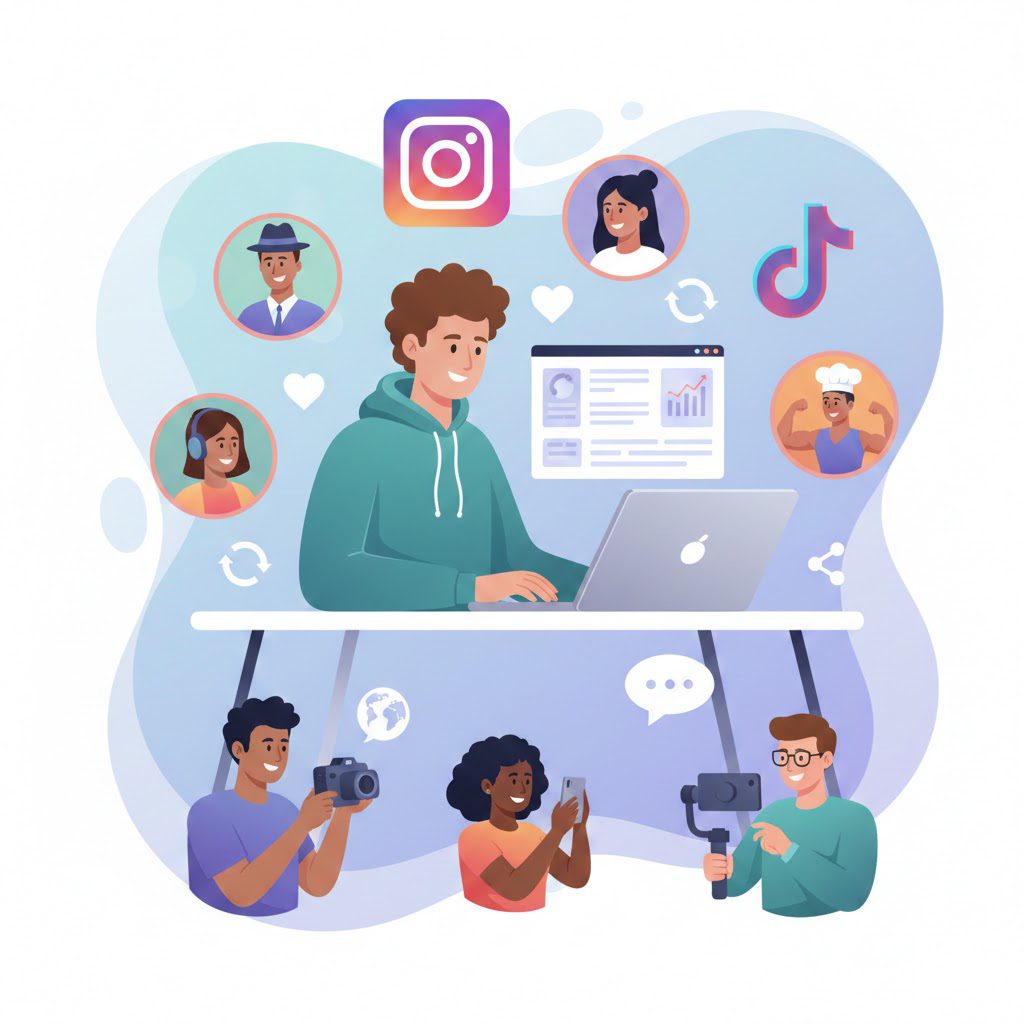
Social media drives massive visibility because it allows you to build community, spark conversation, and showcase your brand personality.
Effective platforms for US audiences include:
Facebook for a wide demographic reach
Instagram for visuals and influencer marketing trends
YouTube for long-form educational content
TikTok for rapid viral exposure
LinkedIn for B2B digital marketing strategies
Strong social content supports brand awareness techniques, audience engagement tactics, and growth marketing strategies.
4. Paid Advertising (PPC): Immediate Visibility and Quick Wins
If you want fast results, PPC is your best friend.
Pay-per-click advertising places your business in front of high-intent users instantly.
Top PPC channels:
PPC supports online advertising tactics that help boost online sales quickly. With clear targeting and CRO-optimized landing pages, it can become one of your highest-ROI channels.
5. Email Marketing: Still One of the Most Profitable Online Marketing Strategies
Email generates some of the highest returns in digital marketing.
Why? It delivers tailored messages to people who have already raised their hands.
A strong email marketing automation setup includes:
Email supports user retention strategies, conversions, and repeat purchases—especially when paired with automation tools for marketers.
6. Influencer Marketing: Trust at Scale
Influencer campaigns help you tap into communities that already listen, trust, and engage. The right creator can spark conversations and accelerate awareness faster than traditional ads.
Emerging influencer marketing trends include:
Long-term brand partnerships
Micro-influencers with niche authority
Authentic storytelling instead of scripted content
Cross-platform collaborations
Influencer campaigns are powerful for both lead generation methods and brand expansion.
7. Video Marketing Strategy: The Most Consumed Format in the US
Video is no longer optional.
US consumers watch an astounding amount of video daily across YouTube, TikTok, and streaming platforms. A strong video marketing strategy helps you explain complex ideas, showcase products, and connect with people emotionally.
High-performing video types include:
Video supports everything from brand awareness to CRO.
8. Local SEO: Essential for Small Business Marketing Tips
Local SEO ensures your business shows up when people search for services near them.
Critical Local SEO elements:
Google Business Profile optimization
Local keyword targeting (city, neighborhood, state)
Local backlinks and citations
Review generation systems
These tactics help small companies compete and dominate local markets.
9. Marketing Automation: Scale Your Efforts Without Scaling Costs
Automation ties your entire marketing technology (martech) stack together. It allows you to deliver the right message at the right moment.
Automation supports:
Pair automation with analytics, and you unlock powerful performance marketing tactics.
Best Digital Marketing Strategies for B2B Companies
B2B buyers require more trust, proof, and nurturing.
Top B2B methods include:
Account-Based Marketing (ABM)
LinkedIn content and outreach
Webinars and workshops
Thought leadership articles
Automated nurture flows
B2B decisions move slowly, but a strong digital presence speeds up the process.
Best Digital Marketing Strategies for Small Businesses
Small businesses don’t need giant budgets—they need smart tactics.
Most effective approaches include:
Local SEO
Social media reels and short videos
PPC with tight targeting
Referral and affiliate marketing programs
Reviews and reputation building
These help level the playing field against larger competitors.
Real-World Examples of Successful Digital Marketing Campaigns
Every great strategy can be illustrated with a great campaign.
Content Marketing
A software company published weekly tutorials that increased organic traffic by 185% in six months.
PPC Advertising
A small eCommerce brand used Google Shopping ads to generate a 4.2x ROAS during the holiday season.
Email Automation
A retailer launched a personalized welcome sequence that boosted conversions by 32%.
Influencer Campaign
A wellness brand partnered with micro-influencers, generating 7 million impressions in 30 days.
How to Choose the Most Effective Digital Marketing Strategy for Your Business
Ask yourself:
What’s my budget?
Who is my audience?
What’s my timeline for results?
How competitive is my industry?
What resources do I already have?
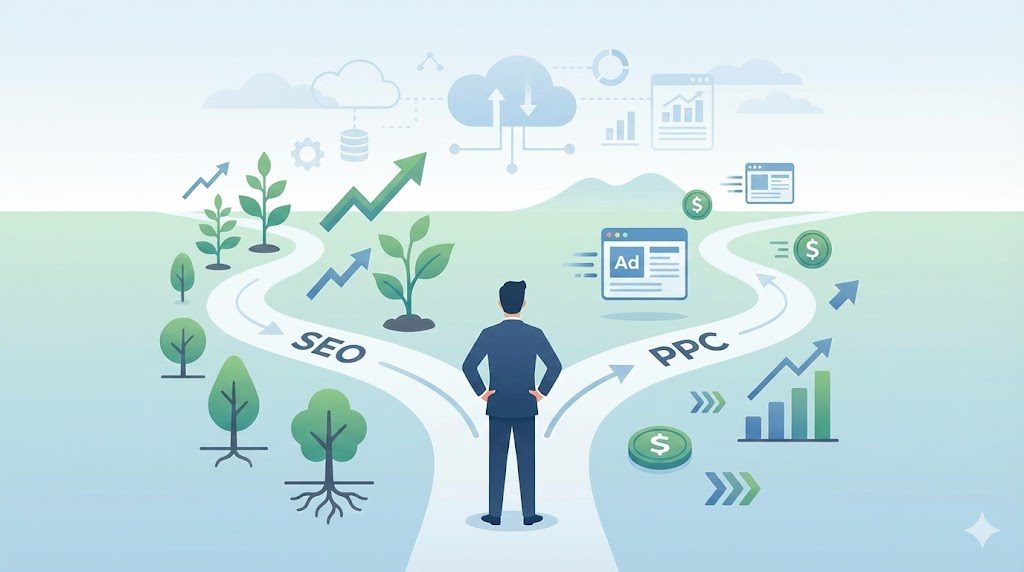
Long-term strategies (SEO, content) build sustainable growth, while short-term strategies (PPC, influencer campaigns) drive quick wins.
Common Mistakes That Make Digital Marketing Strategies Fail
Even good tactics fail when executed poorly.
Avoid:
Targeting the wrong audience
Ignoring search intent
Relying on one channel
Skipping conversion optimization
Failing to measure performance
Marketing rewards patience, precision, and consistent refinement.
Final Thoughts
Digital marketing rewards businesses that plan smart, study their audience, analyze their data, and remain adaptable. Whether you lean into SEO, content, PPC, email, automation, or influencer marketing, the goal stays the same—create meaningful experiences that speak to real people.
When you combine strong messaging, data-driven decisions, and continuous optimization, you build a digital marketing engine that keeps growing month after month.