
How Brands Are Winning Gen Z Through Meme Marketing
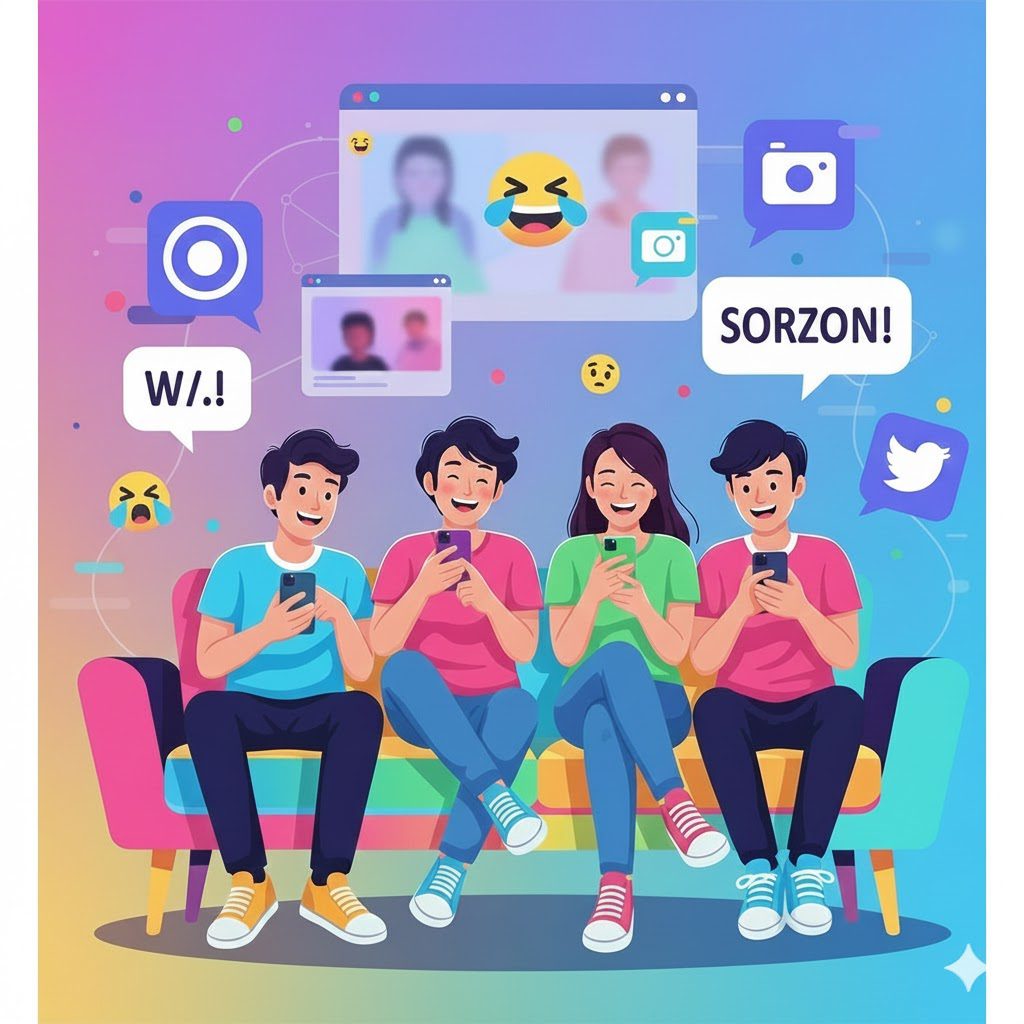
Scroll through TikTok, Instagram, or X for five minutes. You’ll see jokes, remixes, screenshots, and ironic captions flying past at lightning speed. That’s not noise. That’s culture. And right now, how brands are winning Gen Z through meme marketing comes down to one simple idea: brands that feel human earn attention. Gen Z grew up online. Memes aren’t a trend to them. They’re a language. When a brand uses meme marketing well, it doesn’t feel like advertising. It feels like participation. That difference matters in an attention economy where ads get skipped in seconds. In this guide, you’ll learn why meme marketing works, how top brands do it without sounding cringe, and what most marketers still get wrong. Along the way, we’ll connect psychology, internet culture marketing, and real-world brand memes into one practical playbook. Why Meme Marketing Fits Gen Z Like a Glove Gen Z doesn’t separate “online” from “real life.” Their humor, identity, and social validation live inside digital spaces. Memes sit right at that intersection. Unlike polished brand ads, memes: reward insider knowledge rely on shared context invite peer-to-peer sharing That’s why humor-based advertising outperforms stiff brand messaging with younger audiences. Memes feel earned. Ads feel forced. At a deeper level, meme marketing taps into participatory culture. Gen Z doesn’t want to watch brands. They want to interact with them. When you post a meme, you’re handing the mic to the community. They remix it, comment on it, and share it as part of their online identity expression. Think of memes as digital shorthand. One image can communicate frustration, excitement, or irony faster than a paragraph ever could. How Brands Are Winning Gen Z Through Meme Marketing on Social Platforms Not all platforms work the same way. Smart brands tailor their social media meme marketing to fit the native culture of each channel. Platform-native humor matters Gen Z can smell recycled content instantly. Posting the same meme everywhere rarely works. Here’s how strong brands adapt: TikTok meme trends rely on audio, facial reactions, and fast timing. Brands jump in quickly or stay out. Instagram meme pages favor relatability and shareability. Think screenshots and carousel-style jokes. X (Twitter) brand humor thrives on wit, timing, and replies. Short, sharp jokes win here. Reddit meme communities reward authenticity. Corporate polish gets punished. YouTube Shorts meme content blends humor with visual storytelling in under 60 seconds. Snapchat Gen Z engagement leans toward casual, behind-the-scenes humor. Winning brands don’t force memes into platforms. They let platforms shape the meme. How Brands Are Winning Gen Z Through Meme Marketing Without Sounding Fake Here’s the hard truth. Most brands fail at meme marketing because they try too hard. Authenticity and brand voice sit at the center of success. Gen Z doesn’t expect brands to be perfect. They expect them to be self-aware. Strong internet culture marketing follows a few unspoken rules: Don’t explain the joke. Don’t jump on sensitive topics for attention. Don’t pretend to be “one of the kids.” Duolingo meme marketing works because the brand embraced absurdity and leaned into its mascot. Wendy’s Twitter strategy succeeds because the voice stays consistent and playful. Ryanair social media memes work because they exaggerate their flaws instead of hiding them. Each brand chose a lane. Then they stayed in it. The Psychology Behind Why Meme Marketing Works for Gen Z Memes succeed because they align with how Gen Z processes content. Short attention spans need fast rewards Gen Z scrolls fast. Memes deliver instant payoff. One glance. One laugh. Done. Humor creates emotional connection Humor lowers resistance. When people laugh, they listen. That emotional connection with audiences makes brand messages feel lighter and more memorable. Social validation drives sharing Sharing a meme signals identity. It says, “This is me.” That’s powerful. Peer-to-peer sharing does more than any paid placement. Cultural relevance builds trust Trend-driven content shows awareness. It tells your audience you’re paying attention. That alone builds credibility. In simple terms, memes work because they respect the audience’s intelligence. Meme Marketing Examples for Brands That Get It Right Let’s break down a few standout approaches without repeating case-study clichés. Netflix meme campaigns Netflix uses screenshots from its own shows. That keeps content platform-native and rights-safe. The humor feels observational, not promotional. Spotify Wrapped memes Spotify turns user data into shareable stories. That’s user-generated content (UGC) at scale. People do the marketing for them. Ryanair social media memes Ryanair leans into irony and self-deprecation. Instead of hiding complaints, they joke about them. That honesty feels refreshing. Duolingo meme marketing The owl breaks the fourth wall. Sometimes it’s helpful. Sometimes it’s chaotic. Either way, people talk about it. Notice the pattern. These brands don’t chase every trend. They remix culture through their own lens. How Brands Are Winning Gen Z Through Meme Marketing Using Community Power Memes don’t live in isolation. They live in communities. Online community marketing plays a massive role in Gen Z engagement through memes. The best brands don’t just post. They respond. They stitch. They reply. This creator-led brand communication turns audiences into collaborators. Ways brands invite participation: Replying with memes instead of corporate statements Encouraging remix culture Featuring fan-created memes Letting creators speak in their own voice When the community feels seen, loyalty follows. Risks of Meme Marketing Most Brands Ignore Meme marketing isn’t risk-free. And pretending otherwise leads to public embarrassment. Timing is unforgiving Ephemeral meme trends die fast. Posting late feels out of touch. Cultural context matters A joke in one community can offend another. Internet humor and irony require care. Brand safety still counts Not every meme fits every brand. Humor should punch up, not down. Over-automation kills soul AI-generated memes can help with ideas. They shouldn’t replace human judgment. Smart brands build guardrails. They know when to join in and when to stay quiet. Best Platforms for Meme Marketing in 2025 and Beyond Youth marketing trends point toward faster cycles and niche communities. Here’s what’s shaping the future: Smaller, niche meme communities outperform mass appeal Real-time marketing
The Rise of Short-Form Video Platforms: TikTok, Reels, and Beyond
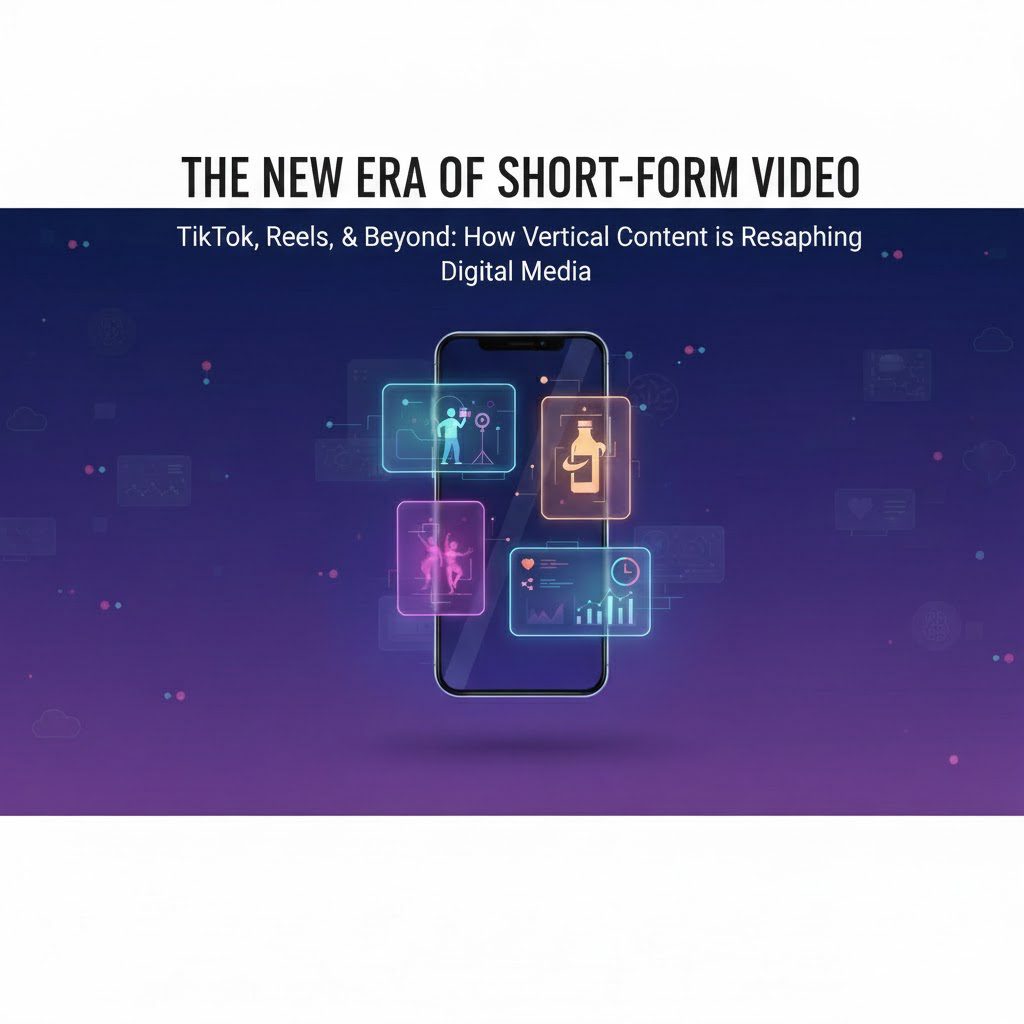
Introduction: Short Videos Didn’t Just Go Viral — They Changed Behavior Pull out your phone. Open a social app. You’re instantly greeted by a vertical video playing without permission. That moment captures the rise of short form video platforms TikTok Reels and beyond in action. Short videos didn’t quietly enter social media. They stormed it. They changed how platforms rank content, how creators grow audiences, and how brands sell products. More importantly, they reshaped how you consume information. This isn’t about trends anymore. It’s about behavior. Mobile-first habits. Scroll-based consumption. Algorithm-driven discovery that feels almost psychic. Let’s explore how short-form video platforms reached this point, why they work so well, and what comes next. The Rise of Short Form Video Platforms TikTok Reels and Beyond: How It All Started Social media once rewarded patience. Long captions. Blog links. Ten-minute videos. Then smartphones took over daily life. As mobile use increased, platforms faced a problem. People wanted content faster. Shorter. Easier to digest. That pressure created short video apps designed for: Vertical video format One-handed scrolling Immediate emotional payoff TikTok accelerated this shift. Instagram Reels and YouTube Shorts followed quickly. The rest of the industry had no choice but to adapt. Why Short-Form Video Platforms Match Modern Attention The attention economy favors speed Your attention is limited. Platforms compete for it aggressively. Short-form video content wins because it delivers value fast. A study from the American Psychological Association notes that frequent digital multitasking reduces sustained attention. Short videos fit this reality instead of fighting it.Source: https://www.apa.org/monitor/2019/01/attention Snackable video content feels effortless You don’t plan to watch short videos. You fall into them. That’s the magic. One swipe equals one idea. No commitment. No decision fatigue. Just flow. Think of it like grazing instead of sitting down for a full meal. Algorithm-Driven Content Discovery Changed the Rules From followers to behavior Modern social media video platforms care less about who you follow and more about how you behave. They track: Watch time Replays Shares Scroll speed Those signals feed AI-powered recommendations that personalize every feed. MIT Technology Review explains how recommendation systems increasingly shape online behavior by predicting engagement patterns. Why creators benefit You don’t need fame. You need relevance. A new creator with one strong clip can outperform established accounts. That shift powered the modern creator economy. At SalesBouncer, we don’t just edit videos. We engineer them to capture attention, hold interest, and drive action. In a world where people scroll fast and decide faster, your video has seconds to perform. That’s where we come in. We specialize in high-impact video editing designed for short-form platforms, ads, and social media marketing—where results actually matter. The Rise of Short Form Video Platforms TikTok Reels and Beyond: Platform Breakdown TikTok: The Engine of Viral Video Platforms TikTok operates as an entertainment-first platform. Social connections come second. Strengths include: Advanced content personalization Powerful in-app editing tools Trending audio and sounds that fuel discovery Hashtag-based discovery layered on AI signals According to DataReportal, TikTok users spend an average of 34 hours per month on the app, one of the highest engagement rates in social media. That time-on-platform explains why brands invest heavily in TikTok-first campaigns. Instagram Reels vs TikTok: Strategic Differences Instagram Reels plays a different role inside Meta Platforms’ ecosystem. Instagram Reels advantages Deep integration with Facebook and Instagram ads Strong social commerce features Familiar environment for brands TikTok advantages Faster trend cycles Better organic reach for unknown creators More experimental content culture For polished brand storytelling, Reels often wins. For raw, culture-driven growth, TikTok still leads. YouTube Shorts Growth: Discovery Meets Search Intent YouTube Shorts benefits from something unique: search behavior. Shorts live inside Google’s ecosystem, which means content can surface through recommendations and search results. According to Statista, YouTube reached over 2.7 billion monthly active users globally, giving Shorts massive distribution potential. Creators also gain long-term value by funneling Shorts viewers into long-form content. Other Short-Form Video Platforms Worth Watching Beyond the big three, several mobile-first video platforms continue to evolve. Snapchat Spotlight: Strong for Gen Z and real-time engagement Facebook Reels: Effective for mass-market reach Likee: Popular in South Asia and parts of Europe Triller: Music-focused with creator monetization tools Not every platform will dominate globally. But regional growth matters for brands with international audiences. Why Short-Form Video Marketing Works for Businesses Engagement beats impressions Short videos optimize for engagement metrics like watch time and shares. That matters more than raw views. A report from HubSpot shows video content generates higher ROI than static formats across most industries. Influencer marketing feels native Influencer marketing thrives on short videos because they feel personal. Instead of scripted ads, creators show products in real life. That authenticity builds trust. Social Commerce and Brand Collaborations Short-form platforms collapse the funnel. You discover a product. You see it used. You buy it. All inside one app. This shift powers: Social commerce Creator monetization Performance marketing McKinsey highlights social commerce as one of the fastest-growing digital sales channels globally. Short Video Content Trends Shaping 2025 and Beyond AI-generated short videos AI now assists with captions, edits, and even full video creation. That lowers barriers and increases volume. Interactive video features Polls, Q&A stickers, and tap-based choices boost real-time engagement. Immersive video experiences AR effects and interactive overlays expand digital storytelling beyond flat screens. Platform algorithm changes Completion rate and retention now matter more than hashtags alone. Quality wins. The Rise of Short Form Video Platforms TikTok Reels and Beyond: What Others Miss Most articles chase virality tips. They miss the bigger picture. Short-form video platforms succeed because they align with: Mobile user behavior Scroll-based consumption The psychology of the attention economy This isn’t a content trend. It’s a behavioral shift. How Brands Can Win With Short-Form Video Content A strong content marketing strategy focuses on clarity and speed. Best practices: Hook viewers in the first 2 seconds Focus on one idea per video Design for vertical video platforms Track watch time, not vanity metrics Repurpose UGC
SEO vs PPC in 2026: Which Strategy Is Right for You?
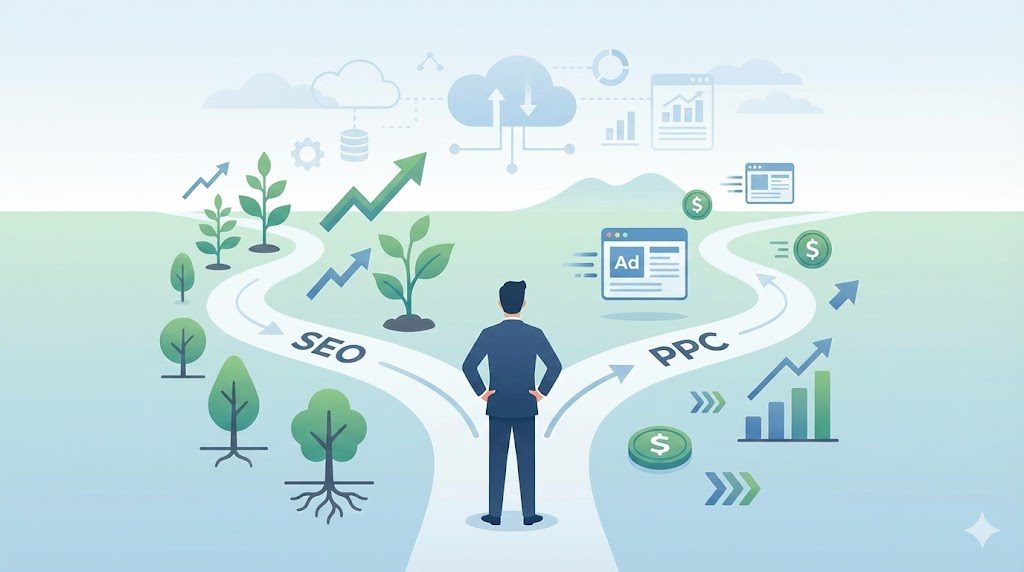
If you’re growing a business online, one question always shows up sooner or later: how to choose between SEO and PPC.Both promise traffic. Both can bring leads. And both can quietly drain your budget if you pick the wrong one at the wrong time. Think of this decision like choosing transportation. SEO is walking toward a destination that keeps getting closer. PPC is grabbing a taxi that gets you there fast. Neither is wrong. The problem starts when you choose speed when you need endurance—or patience when you need urgency. This guide breaks it all down in plain language. You’ll learn how each channel works, where competitors go wrong, and how to decide based on goals, timelines, and budget—not guesswork. Understanding SEO and PPC Before You Choose Before comparing tactics, you need clarity. Many businesses struggle because they treat SEO and PPC as interchangeable. They aren’t. What SEO Really Does for Your Business SEO helps your website appear in organic search results when people look for answers, services, or products. Instead of paying for every click, you earn visibility by proving relevance and credibility over time. Good SEO focuses on: Creating helpful, search-driven content Improving site speed and usability Earning trust through links and brand mentions Over time, SEO turns your website into a digital asset. Traffic keeps coming even when campaigns pause. According to Backlinko, the first organic Google result gets nearly 28% of all clicks, showing how powerful top rankings can be. What PPC Actually Brings to the Table PPC advertising places your message in front of users instantly. You pay when someone clicks. That’s the deal. This model shines when: You need traffic right now You’re launching something new You want tight control over targeting However, the moment spending stops, visibility disappears. PPC is more like renting attention than owning it. Average Google Ads cost per click sits around $2–$3, although competitive industries often pay much more. How to Choose Between SEO and PPC Based on Your Goals Many guides oversimplify this choice. They say “SEO is long term” and “PPC is fast.” That’s true—but incomplete. Let’s go deeper. Choose SEO If You’re Playing the Long Game SEO works best when: You want sustainable growth Your audience researches before buying You’re building brand authority For example, a consultant writing helpful guides builds trust slowly. Over time, those articles attract qualified leads without constant ad spend. SEO compounds. Each strong page supports the next. Choose PPC If Timing Is Everything PPC makes sense when: You need leads immediately You’re running limited-time offers Demand spikes seasonally An ecommerce store clearing inventory doesn’t have months to wait. Ads let them move fast. Speed has a price, though. Without careful targeting, costs climb quickly. Budget Reality Check: What Most Competitors Get Wrong Here’s what many articles don’t tell you. Most businesses fail not because SEO or PPC doesn’t work—but because they misalign budget with expectations. SEO Costs What You Don’t See SEO rarely charges per click. However, it still costs money: Content creation Technical fixes Tools and expertise The payoff arrives later, but it’s often stronger. PPC Costs What You Feel Immediately With PPC, spending is obvious. Every click shows up in reports. That visibility is useful, but it also creates pressure. When results slow down, budgets often rise to compensate. This is where many competitors panic and overspend. Traffic Quality: Not All Clicks Are Equal Traffic volume means nothing without intent. SEO Traffic and User Trust People trust organic results more than ads. They see them as earned, not bought. That trust matters. Research from Smart Insights shows organic search drives over half of all website traffic, while paid search contributes far less.https://www.smartinsights.com/search-engine-marketing/seo-statistics/ SEO visitors often: Spend more time on site Explore multiple pages Convert after repeated exposure PPC Traffic and Buying Intent PPC attracts users ready to act. Someone searching “buy CRM software today” likely wants solutions now. That urgency explains why PPC often converts faster—even if fewer people click overall. Conversion Rates: Short-Term Wins vs Long-Term ROI Conversion rate depends on industry, intent, and experience. Still, patterns emerge. PPC Conversions Happen Faster Ads work well for: Product launches Emergency services High-intent searches However, cost per conversion rises in competitive markets. SEO Conversions Grow Over Time SEO conversions start slower. Yet as authority builds, conversion rates often improve. A study by First Page Sage shows SEO outperforms PPC in conversion rates across many industries over time. Longevity: Which Channel Keeps Paying You Back? This question alone answers how to choose between SEO and PPC for many businesses. SEO Builds Durable Assets Once a page ranks, it can generate traffic for years with updates and maintenance. That’s leverage. PPC Stops the Moment You Stop Paying No budget means no traffic. Simple as that. PPC is powerful—but temporary. The Smarter Strategy Most Competitors Miss: Using Both Together Here’s where this article delivers extra value. Many competitors frame SEO and PPC as rivals. Smart marketers treat them as teammates. How PPC Improves SEO Reveals high-converting keywords Tests messaging before content creation Identifies audience pain points How SEO Reduces PPC Costs Improves landing page quality scores Builds brand familiarity Lowers dependency on paid traffic Together, they create balance. Speed plus sustainability. Decision Framework: How to Choose Between SEO and PPC Step by Step Use this simple checklist: Timeline: Do you need results now or later? Budget: Can you afford ongoing ad spend? Competition: How crowded is your market? Customer journey: Do buyers research or buy fast? Growth goals: Short-term sales or long-term authority? Your answers guide the choice. Common Myths That Confuse the Decision “SEO Is Free” It isn’t. It’s an investment. “PPC Is Only for Big Companies” Small businesses use PPC every day—carefully. “You Must Pick One” You don’t. FAQs About Choosing SEO and PPC How to choose between SEO and PPC for a small business? Start with SEO if budgets are tight and timelines are flexible. Add PPC for quick wins once messaging is clear. Is SEO or paid search
Google Maps Alternatives in 2026: Better Privacy, Offline Maps, and Smarter Features
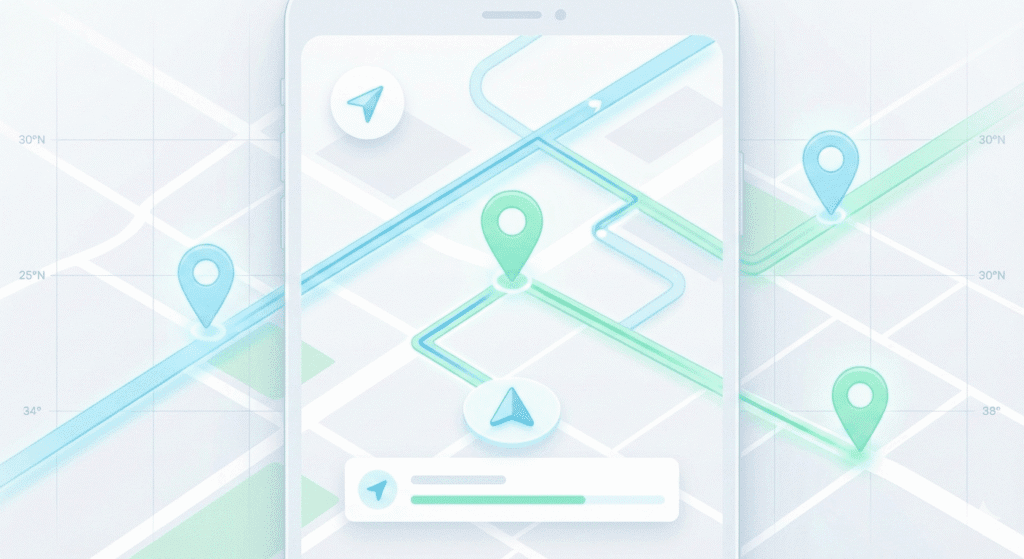
You probably open Google Maps without thinking. New coffee shop. A friend’s apartment. A quick weekend drive. Tap, go, done. Still, Google Maps alternatives matter when your needs shift. Maybe you travel where the signal drops. Maybe you want a cleaner map that doesn’t feel noisy. Or maybe you just like having a solid Plan B. Let’s break down the best options and help you pick the right one. Why People Switch to Other Map Apps Privacy: When location tracking feels a bit too personal Location history can reveal more than you expect. Your routines. Your hangouts. Even the places you visit often. Some apps keep things lighter by limiting tracking or doing more processing on your device. Others lean harder on personalization, which can mean more data collection. If privacy matters to you, it helps to know what trade-off you’re making. Offline navigation: When your signal disappears at the worst time If you’ve ever watched your map load forever in a new neighborhood, you know how stressful that is. Offline maps fix it. Download an area ahead of time, then navigate without Wi-Fi, mobile data, or roaming charges. Specialized tools: Because one app can’t do everything A hiker needs trail layers and elevation. A truck driver needs vehicle-friendly routing. A commuter wants transit timing. And sometimes you just want a simple map that gets you there without extra clutter. Avoiding single-app dependence Apps change features. Policies shift. Outages happen. When you keep another option installed, you don’t get stuck. Quick Pick Guide: Choose the Right App Fast Here’s a simple cheat sheet to match apps to real-life situations: Offline travel: MAPS.ME, HERE WeGo, Sygic, OsmAnd Live traffic alerts: Waze Outdoor adventure: OsmAnd, Gaia GPS Public transit: Citymapper Clean pro driving: TomTom GO Top 10 Map Apps You Can Use in 2026 1. MAPS.ME (Best for offline travel) MAPS.ME is a popular choice when you want to download maps once and use them anywhere. It’s especially handy if you travel internationally and don’t want to rely on roaming data. Good for: travelers, backpackersAvailable on: iOS, Android Key features Offline maps for large regions Helpful points of interest for sightseeing Walking directions in many cities 2. HERE WeGo (Best for city navigation) If you bounce between walking, transit, and driving, HERE WeGo usually feels like a strong all-rounder. It’s designed for city movement and quick route switching. Good for: commuters, city travelersAvailable on: iOS, Android Key features Offline map downloads in many regions Clear walking guidance Transit routing in supported cities 3. Waze (Best for real-time road alerts) Waze works like a driver community. People report hazards, congestion, and slowdowns, then the app helps you reroute quickly. Good for: daily drivers, commutersAvailable on: iOS, Android Key features Live incident reports and reroutes Traffic-aware route suggestions Alerts for hazards and road issues 4. MapQuest (Classic and straightforward) MapQuest keeps things simple. If you want a familiar navigation experience without extra bells and whistles, it still holds up. Good for: everyday navigationAvailable on: iOS, Android Key features Turn-by-turn directions Route planning for road trips Traffic overlays in many areas 5. OsmAnd (Best for detailed offline maps) OsmAnd is a favorite for people who like detail. It’s great when you care about terrain, elevation, and outdoor-friendly routes. Good for: hikers, cyclists, off-road exploringAvailable on: iOS, Android Key features Offline vector maps Terrain and contour options Hiking and cycling routes with elevation data 6. CoPilot GPS (Best for vehicle-specific routing) CoPilot GPS focuses on drivers who need practical routing tools. It’s often used by people who travel long distances or drive larger vehicles. Good for: truckers, RV drivers, business travelAvailable on: iOS, Android Key features Offline navigation and turn guidance Vehicle-based route customization Route optimization for longer trips 7. Apple Maps (Best for iPhone users) Apple Maps is built into iOS, so it feels smooth and well-integrated. It’s especially nice for walking directions, Siri help, and day-to-day city navigation. Good for: iPhone usersAvailable on: iOS Key features Siri voice navigation Transit updates in supported regions Walking and cycling routing 8. Sygic GPS Navigation (Best premium driving features) Sygic leans into a polished driving experience. If you like 3D maps and extra safety tools, it can feel like an upgrade. Good for: frequent driversAvailable on: iOS, Android Key features Offline navigation Multi-stop trip planning Driver assistance and alerts 9. TomTom GO Navigation (Best for accuracy) TomTom GO is a strong pick when you want clear lane guidance and a distraction-free interface. It often appeals to drivers who prioritize precision. Good for: drivers who want clean, accurate routingAvailable on: iOS, Android Key features Lane guidance to reduce missed turns Traffic updates and route adjustments Regular map refreshes 10. Citymapper (Best for public transit) Citymapper shines in big cities. It helps you combine trains, buses, walking, and bikes without doing mental math at every transfer. Good for: transit users, urban travelersAvailable on: iOS, Android Key features Multi-modal trip planning Real-time transit updates in supported areas Step-by-step guidance during your trip Bonus Apps Worth Trying OpenStreetMap (OSM) OpenStreetMap isn’t one app. It’s a community-built map platform that powers many navigation tools. If you like open data and customization, it’s a great ecosystem to explore. Gaia GPS Gaia GPS is built for outdoor planning and backcountry navigation. It’s ideal when you want topo layers, trail planning, and offline reliability. How to Choose the Right App (Without Overthinking It) Think of it like shoes. You don’t wear hiking boots to a wedding. Same deal here. Want offline travel maps? Start with MAPS.ME or HERE WeGo. Need outdoor detail? Try OsmAnd or Gaia GPS. Drive in traffic daily? Waze usually wins for live alerts. Use transit all the time? Citymapper makes city travel easier. Prefer iPhone simplicity? Apple Maps fits naturally. Also, consider keeping two apps. One for everyday use, one for backup. That small habit can save you a lot of stress. FAQs What are the best Google Maps alternatives for offline travel? MAPS.ME, HERE WeGo, Sygic, and OsmAnd are
Getting Started with Programmatic Advertising: A Beginner’s Guide
A friendly, practical roadmap that helps beginners understand programmatic advertising, how it works, and how to use it to boost ROI. Programmatic advertising has reshaped digital marketing so quickly that many beginners feel like they’re watching a game in fast-forward. One moment you’re manually placing ads on publishers, and the next you’re learning how algorithms, data signals, and real-time bidding decide everything in milliseconds. This beginner’s guide to programmatic advertising breaks each moving part into simple, understandable ideas so you can use automation confidently instead of feeling overwhelmed by it. Whether you’re running display ads, testing new video formats, or aiming to boost brand awareness, programmatic media buying offers a smarter, faster path to reaching your audience. What Is Programmatic Advertising? (Programmatic Advertising Explained for Beginners) A simple definition you can actually use Programmatic advertising is the automated buying and selling of online ad space using software, data, and machine learning. Instead of negotiating placements manually, programmatic platforms evaluate individual impressions and decide the best ad to show at the perfect moment. The system analyzes data signals—behavior, location, context, device type—and uses digital advertising automation to place ads where they’re most likely to perform well. In simple terms, programmatic advertising explained:It’s a smarter, faster way to buy digital ads using automation instead of guesswork. Why programmatic is replacing traditional ad buying Traditional ad buying relies on insertion orders, emails, long back-and-forth negotiations, and fixed placements. Programmatic eliminates the slow parts and replaces them with automated decision-making. Real-time bidding (RTB) evaluates each impression instantly, so your budget flows toward high-quality traffic instead of wasted impressions. This shift improves CPM efficiency, increases click-through rates, and delivers better conversion tracking because your ads land in front of people who actually care. How programmatic advertising fits into modern PPC and digital marketing PPC campaigns target people searching for something. Programmatic campaigns target people based on intent signals long before they type into a search bar. That’s why many marketers blend PPC with programmatic to create a full-funnel strategy. Programmatic display ads support awareness, retargeting handles mid-funnel engagement, and automated ad buying keeps every campaign running efficiently across apps, websites, CTV ads, and native placements. Real-world examples that make the concept click Imagine selling running shoes. With traditional ads, you’d choose a few websites and hope for the best. With programmatic, algorithms find users reading fitness blogs, watching marathon videos, comparing shoes, or browsing sports stores—all in real time. You reach them while interest is fresh, which dramatically improves response. How Programmatic Advertising Works Behind the Scenes The real-time bidding (RTB) auction process explained step-by-step RTB works like the world’s fastest auction. When a webpage loads, an ad request travels through a supply-side platform (SSP) into an ad exchange, where demand-side platforms (DSPs) bid for the impression. The highest bidder wi, ns and the ad appears instantly. It takes less time than blinking. How algorithms, machine learning, and automation make smarter buying decisions Machine learning in advertising analyzes thousands of signals—past browsing, location, content relevance, device type, and predicted intent. It learns from performance, reallocates budget automatically, and improves your programmatic ad strategy without constant manual tweaks. Every impression makes the system smarter. The relationship between advertisers, publishers, DSPs, SSPs, and ad exchanges Advertisers use DSPs to run campaigns. Publishers use SSPs to sell inventory. Ad exchanges connect both sides. DMPs and CDPs enrich audience data while ad servers deliver and track impressions. Together, they form an automated ecosystem that keeps programmatic campaigns efficient and scalable. Why Programmatic Advertising Matters (Especially for Beginners) Hyper-targeting that reaches the right people at the right moment Programmatic targeting options include behavioral targeting, contextual targeting, geo-fenced targeting, and retargeting with programmatic ads. Instead of showing ads to everyone, you reach users most likely to engage, which boosts CTR and increases conversions with less waste. Higher efficiency and lower wasted ad spend Since programmatic evaluates impressions individually, your budget goes toward relevant audiences. Algorithms automatically eliminate low-value placements, optimize CPMs, and move spending toward high-performing traffic without you micromanaging the campaign. Better personalization across devices and channels Users bounce between phones, laptops, smart TVs, and apps all day. Programmatic follows these journeys and delivers consistent messaging. Whether it’s programmatic video ads, mobile programmatic advertising, audio ads, or display formats, personalization stays intact. How AI is transforming programmatic campaigns AI powers dynamic creative optimization, predictive targeting, fraud detection, and cookieless identity solutions. It’s redesigning how advertisers approach segmentation and measurement, which makes programmatic advertising for beginners far easier than it was five years ago. Core Components of Programmatic Advertising (DSPs, SSPs, DMPs & More) Demand-side platforms (DSPs): how advertisers buy smarter DSPs let advertisers set budgets, targeting rules, and bidding strategies while algorithms handle the rest. They’re the command center of programmatic media buying. Supply-side platforms (SSPs): how publishers maximize revenue Publishers use SSPs to sell ad inventory efficiently. SSPs expose impressions to multiple bidders, increasing revenue opportunities. Ad exchanges: the marketplace where everything happens Ad exchanges connect DSPs and SS, Ps, allowing them to trade impressions in real time. It’s a digital marketplace running millions of auctions every second. Data management platforms (DMPs): where targeting becomes powerful DMPs collect and organize user data, which fuels behavioral targeting and advanced segmentation. Customer data platforms (CDPs): the next evolution CDPs unify first-party data across channels, enabling deeper personalization and stronger lookalike modeling. Ad networks vs ad exchanges: clearing up the confusion Ad networks bundle inventory and resell it, which limits flexibility. Programmatic exchanges evaluate every impression individually, which improves accuracy. Ad servers: the delivery engine no one sees Ad servers store, deliver, and track ads across placements, ensuring accurate reporting and viewability. Types of Programmatic Advertising Every Beginner Should Know Real-time bidding (RTB) Open auctions with dynamic bidding. Private marketplaces (PMPs) Invite-only auctions offering premium placements. Programmatic direct / guaranteed Fixed deals with guaranteed inventory. Programmatic display ads Standard banners across websites and apps. Programmatic video ads Short- and long-form videos across streaming platforms. Programmatic audio ads Spoken ads on podcasts
The Complete Guide to Graphic Design Services
Graphic design services play a crucial role in shaping how businesses communicate visually. From logos and brand identities to websites, packaging, and motion graphics — design influences perception, trust, and user experience. This complete guide explains what graphic design services are, their types, how to choose the right provider, common mistakes, and practical tips to get started. What Are Graphic Designing Services? Definition and Scope Graphic design services involve planning and producing visual content that communicates ideas effectively. These services include everything from logo creation and brand identity systems to marketing materials, web graphics, social media visuals, infographics, product packaging, and publication design. Graphic design itself is recognized as the art of crafting visual communication aimed at specific audiences. It combines creativity, strategy, color theory, typography, layout principles, and psychology to create visuals that inform, persuade, or inspire. Why Businesses Need Graphic Design Services Modern businesses rely heavily on visual communication. Studies show that A majority of companies are increasing their investment in design to stay competitive. Design-driven companies see significantly higher ROI than those that do not prioritize design. Good design enhances credibility, strengthens brand identity, improves user experience, and ensures clearer communication. It builds trust and helps businesses stand out in crowded markets. Types of Graphic Designing Services Graphic design covers a wide range of specialties. Here are the most important types Branding & Identity Design Branding is the foundation of all visual communication. Branding services typically include Logo design Brand style guides Typography systems Color palettes Visual identity systems These elements create a consistent, recognizable image for a company across all platforms. Digital & Web Design Services Digital design includes all graphics created for online use Website UI/UX design App interface design Landing page graphics Digital advertisements Email newsletter designs Multimedia content Modern digital design focuses heavily on improving user experience and visual functionality. Print & Publication Design Print design covers physical marketing and informational materials, such as Brochures Flyers Business cards Magazines Annual reports Catalogs Posters These materials require strong layout skills, typography choices, and a deep understanding of print production. Packaging & Product Graphics Packaging design includes Product labels Box designs Wrappers Containers Retail-ready packaging Unboxing design elements Effective packaging attracts attention, communicates product value, and strengthens brand identity on shelves. Motion Graphics & Animation Motion-based design includes Animated ads Explainer animations Logo animations Title sequences Social media motion graphics Motion graphics are highly effective in boosting engagement across digital platforms. Environmental & Signage Design Environmental graphic design involves visuals created for physical spaces, such as Wayfinding systems Event and exhibition graphics Muralss Signage Spatial graphics These designs help guide people, enhance spaces, and improve brand presence in physical locations. Additional & Niche Services Other common design services include Social media content design Infographics Icon sets Presentation design Display and banner ads Internal document design Illustration services These support everyday business communication needs. How to Choose the Right Graphic Designing Service Freelancer vs Agency vs In-House Here’s when each option makes sense Freelancer Best for small, one-off tasks Lower budget requirements Flexible timelines Agency Ideal for large or ongoing projects Provides a full team with diverse specialties Suitable for complete branding and marketing solutions In-House Designer Best for businesses with constant design needs Ensures brand consistency Offers long-term availability and collaboration Key Criteria to Evaluate Designers When selecting a design provider, consider Quality of portfolio Experience in your industry Pricing model and transparency Clarity of the process (briefing, revisions, timelines) Ability to maintain consistency across all visual elements Communication style and client support Pricing Models & Subscriptions Graphic design pricing varies based on provider type Project-based pricing for individual tasks Hourly rates for time-bound work Monthly retainers for ongoing needs Unlimited design subscriptions, where businesses submit unlimited requests for a fixed monthly fee These newer subscription models offer predictable costs and faster turnaround. Benefits of Using Professional Graphic Design Services Professional graphic design offers businesses several major advantages Enhanced brand recognition through consistent visuals Clearer communication with customers Better user experience, especially in digital spaces Higher credibility and perceived professionalism Competitive differentiation in saturated markets Higher ROI for companies that prioritize visual design Strong design is not just aesthetic — it’s a business strategy. Common Mistakes & Pitfalls to Avoid Inconsistent Branding Using mismatched colors, fonts, or styles weakens brand identity. Hiring Non-Specialized Designers Choosing designers without relevant experience can lead to ineffective visuals and rework. Unclear Briefing A vague or incomplete design brief leads to wrong concepts and wasted time. Ignoring UX for Digital Designs A visually attractive design with poor usability fails to deliver results. Choosing Based Solely on Price Extremely low-cost designers often compromise on skill, quality, or originality. FAQs & Practical Tips for Getting Started What Services Should I Start With? Most businesses begin with A logo Brand identity kit Website design Social media templates How Much Do Graphic Designing Services Cost? Costs depend on complexity, designer experience, design type, and timeline. Agencies typically charge more than freelancers due to team support and a deeper strategy. How Long Does Graphic Design Take? Timelines depend on project scope, revisions, and coordination. Simple tasks like social media posts may take hours, whereas branding projects or websites may take weeks. Red Flags When Hiring a Designer Avoid designers who Cannot provide a portfolio Offer unclear revision policies. Provide suspiciously low pricing.g Have inconsistent communication What Trends Are Emerging in Graphic Design? AI-driven design tools, automated workflows, and intelligent creative assistants are becoming more common. These technologies help speed up production and expand creative possibilities for designers. Conclusion Graphic design services are essential for building a memorable brand, communicating clearly, and achieving business growth. Whether you need branding, digital design, packaging, or motion graphics, choosing the right design partner can elevate your presence and give you a competitive edge. With strategic design, businesses gain consistency, clarity, and long-term value.
Is Video Editing Still in Demand? Job Trends for 2025 (Complete Guide)
If you’re wondering whether video editing is still a safe career bet in 2025, you’re not alone. AI tools are everywhere, short-form content is dominating feeds, and everyone seems to be “editing” something on their phone. It’s easy to worry that the profession is becoming overcrowded or automated. The good news: the data shows video editing is still in demand in 2025 – but the type of editor who wins today looks very different from ten years ago. This guide walks you through real numbers, trends, and skills so you can decide whether to start (or double down on) a career in video editing. What The Job Market for Video Editors Looks Like in 2025 Official job outlook for film and video editors Let’s start with hard numbers. According to the U.S. Bureau of Labor Statistics, employment for film and video editors and camera operators is projected to grow by about 3% from 2024 to 2034, roughly in line with the average across all occupations. The same projections estimate around 6,400 job openings each year on average over that decade, from both new roles and replacements. The median annual wage for film and video editors in May 2024 was $70,980, which is higher than the median wage for all occupations. Globally, the wider entertainment and media industry is projected to reach around $3.5 trillion in revenue by 2029, with digital and video-heavy advertising driving significant growth. Taken together, this data shows that video editing hasn’t disappeared or collapsed. It has settled into a steady, sustainable growth path, while the broader content and media ecosystem around it keeps expanding. Global demand for video content is still exploding It’s not enough to know there are editing jobs; you also want to know whether people still need video in the first place. The answer is an overwhelming yes. Multiple surveys show that around 89–91% of businesses use video as a marketing tool, and most marketers consider video essential to their overall strategy. Recent 2025 reports also highlight that about 93% of marketers report positive ROI from video marketing, the highest level recorded so far. On the consumption side, video is deeply tied to mobile. Several industry summaries now converge on the same pattern: roughly three-quarters of global video views happen on mobile devices, and video makes up a significant share of smartphone data traffic. Short-form and social video add another twist. Forecasts suggest that short-form video could account for up to 90% of mobile video views by the end of 2025, driven by platforms like TikTok, Instagram Reels, YouTube Shorts, and similar formats. All of this is great news for editors who understand marketing, mobile-first viewing, and social platforms. The more video dominates how businesses communicate and how people consume content, the more editing work exists in the system. How Much Do Video Editors Earn in 2025? Typical salaries for employed video editors The BLS data gives a clear baseline for editors working in film, TV, streaming, and related sectors. For film and video editors, the median annual wage in May 2024 was $70,980. Other salary trackers show similar patterns: average annual salaries typically fall in the mid–$50,000s to low–$70,000s in the US, with higher ceilings at major media and tech companies. This means: Entry-level in-house roles can feel modest but offer stability. Mid-level editors often move into specialized roles or higher-paying industries like streaming, advertising, or tech. Senior editors, lead editors, and post-production supervisors can earn high-five-figure or low-six-figure incomes. Freelance and remote video editor rates in 2025 Freelance editing has grown massively with remote work and creator-driven platforms. Current data shows: On major freelance platforms, the median hourly rate for video editors is around $35, with a typical range between $10 and $60. Freelance editors can earn $25 to $150 per hour depending on their skill level, niche, and complexity of projects. In the UK, average freelance annual income falls around £30,000–£39,000, with hourly earnings ranging between £14 and £19. These numbers show that freelance video editors in 2025 have a wide earning spectrum. At the lower end, you might compete on price for simpler social edits; at the higher end, premium rates come from complex storytelling, brand work, or fast-turnaround commercial projects. The Video Editing Software Market: A Signal of Future Demand Another way to gauge demand is to look at investment in tools. If software spending rises, it usually means more professionals and businesses are editing more video. Recent reports show: The global video editing software market was valued at roughly $0.60–$0.66 billion in 2024, with expectations to more than double by the early-to-mid 2030s. Broader studies place the segment at around $3.55 billion in 2024 and forecast growth to nearly $6.8 billion by 2033. Across the board, the market is expected to grow at high single-digit rates annually. Even though dollar values differ depending on definitions, all studies agree: demand for editing tools is rising. Rising software investment tells you that: More businesses are building in-house content teams. More creators are producing content at scale. More non-professionals are attempting to edit, which increases demand for experts when quality matters. Will AI Kill Video Editing Jobs – Or Create New Ones? What AI is already automating in 2025 AI is embedded in many editing tools now. Articles explain how AI handles auto-cutting, transcription, captioning, basic color and audio cleanup, and simple social-media repurposing. These tools are framed as productivity boosters, not full replacements. Advertiser-focused studies show that a large percentage of brands plan to use generative AI in their video ad workflows. In workforce studies, skill requirements in AI-exposed roles are changing much faster than in traditional roles, reinforcing the need for editors to upskill. Why are human editors still needed? Industry commentary repeatedly stresses that storytelling, pacing, emotional nuance, brand consistency, and creative judgment remain human-led. Analysts agree that while AI automates routine assembly, editors who supervise AI, correct errors, and maintain creative direction remain essential. Many workforce studies emphasize that combining creative and AI skills is
4 Great Examples of User-Generated Content (UGC) That Prove Its Marketing Power
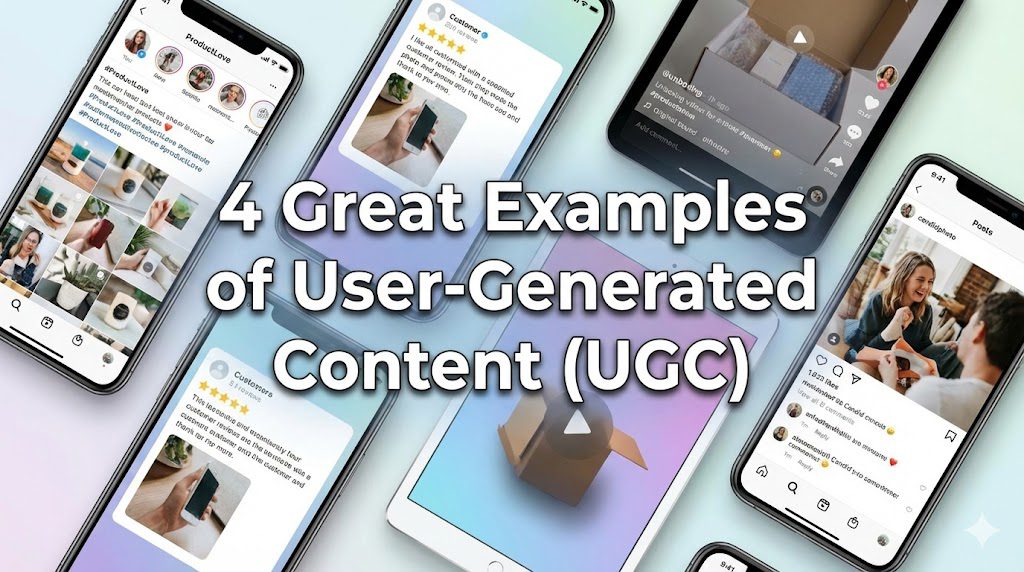
User-generated content marketing has become one of the most reliable ways for brands to build trust, spark engagement, and create communities that feel genuinely connected. When you look at how consumers behave today, one pattern stands out clearly: people trust people more than they trust polished brand ads. That’s exactly why an effective UGC strategy can transform how you communicate, sell, and grow. As you read through these user-generated content case studies, you’ll see how simple ideas turn into massive brand moments when customers get behind them. The beauty of UGC lies in how real it feels, how quickly it spreads, and how deeply it influences buying decisions. What Is User-Generated Content (UGC)? User-generated content refers to any form of authentic content from customers, fans, or community members who share their experience with a product or service. You’ll see it everywhere—customer reviews and testimonials on product pages, TikTok UGC ideas showing everyday people using what they love, Instagram user-generated content with branded hashtags, YouTube UGC campaigns created by adventurers and storytellers, and Facebook customer posts describing real experiences. UGC pops up naturally when people feel compelled to talk about a brand, often because it made their life easier, better, or more entertaining. What is UGC marketing? In simple terms, it’s the practice of using customer content in marketing to tell your story with voices that aren’t your own. Because UGC comes from real people, it creates social proof for marketing in a way that curated brand content never can. When potential buyers see authentic content from customers who look and sound like them, it builds instant credibility and trust—two things every brand needs to grow. Why UGC Matters in Modern Marketing The benefits of user-generated content reach far beyond likes and comments. You’ll often find that UGC drives higher engagement, deeper connections, and stronger brand loyalty than traditional ads. Modern customers care about authenticity, and UGC for brand authenticity delivers exactly that. People want transparency, shared experiences, and glimpses into the lives of those who already know your brand. This fuels community-driven marketing and makes customers feel like they’re part of something bigger. Research repeatedly shows how social media UGC impacts buying decisions. When consumers look for new products, they want to see real results, not staged photoshoots. That’s why embedding UGC on product pages, integrating UGC into email marketing, or repurposing UGC across channels can increase conversions dramatically. Authenticity isn’t just a buzzword—it’s a currency. And UGC is one of the lowest-cost, highest-impact tools you can use to build trust and increase engagement with user content. UGC vs Influencer Marketing: What’s the Difference? Although both UGC and influencer-generated content rely on people outside your company to tell your story, they differ in intent and execution. Influencer marketing usually involves a paid partnership, agreements, content guidelines, and negotiated posting schedules. The content often leans polished because influencers curate their image carefully. UGC, however, is voluntary. It’s organic, spontaneous, and created by customers who genuinely love what you offer. Because of that, users often see it as more trustworthy. This doesn’t mean one strategy is better than the other—they simply play different roles. Brands often combine them for maximum impact. While influencer campaigns can kickstart attention, UGC provides ongoing social proof that strengthens your message long after the sponsored post fades. Types of User-Generated Content (UGC) Every Brand Should Use There are many creative ways to use UGC across your marketing strategy. Each type has its own impact and helps you appeal to different buyer mindsets. Customer Reviews & Testimonials These are the backbone of UGC for e-commerce. When buyers see honest opinions from people like them, hesitation fades. Social Media Posts & Stories Social media UGC is fast-moving, fun, and incredibly persuasive. Hashtag campaigns make it easy to collect and reuse. Community Hashtag Content Branded hashtags on Instagram or TikTok help you gather thousands of posts with minimal effort. Tutorials, How-To Videos & Unboxings People learn from other people. A single YouTube unboxing video can outperform an entire advertising campaign. Employee-Generated Content (EGC) Employees can act as relatable ambassadors who humanize the brand. Case Studies & User Spotlights Sometimes the most powerful story is one told in detail by someone who solved a problem with your product. Forum Discussions & Q&A Threads UGC doesn’t have to be visual—honest conversations also build trust. Podcast Mentions & Live Stream Clips When people talk about you voluntarily, it hits different. Sources of High-Quality UGC Brands Often Overlooked If you want to know the best ways to collect UGC from customers, start by looking at the communities you already have. Many UGC examples come from simple interactions that spark conversations. Customers Sharing Real Experiences Those spontaneous moments—photos, videos, or stories—carry enormous persuasive weight. Employees as Advocates Internal advocates create authenticity and show culture from the inside out. Superfans & Brand Advocates These enthusiastic supporters contribute to customer advocacy strategies naturally. Micro-Communities Niche groups within Reddit, Discord, and Facebook offer some of the richest user discussions. Event Participants & Contest Creators The energy from UGC contest ideas often fuels full campaigns. 4 Great Examples of User-Generated Content (UGC) Used by Top Brands UGC becomes extraordinary when a brand creates space for people to express themselves. Here’s a closer look at four successful UGC brands that turned customer creativity into unforgettable moments. 1. GoPro — Real-Life Action Captured by Everyday Users GoPro is arguably one of the best user-generated content campaigns ever created. The reason is simple: its product inspires people to share moments worth remembering. Adventurers, athletes, travelers, and even curious kids become natural storytellers the moment they pick up a GoPro device. Users upload thousands of GoPro videos every day, many tagged with community hashtags that funnel directly into GoPro’s content ecosystem. This gives the brand endless media to feature on social platforms, YouTube UGC campaigns, or promotional reels. GoPro amplifies this by hosting challenges and awarding creators whose clips stand out. The brand’s UGC strategy thrives because it taps into an emotional
What Are the Most Effective Digital Marketing Strategies?
Digital marketing changes so quickly that even seasoned marketers feel like they’re trying to jump onto a moving train. New platforms launch, algorithms shift, and customer expectations evolve faster than ever. Yet one question refuses to go away: What are the most effective digital marketing strategies today—and which of them actually drive ROI for US businesses? This guide breaks everything down in a practical, actionable way. You’ll explore proven digital marketing strategies, the most effective digital marketing methods, and advanced online marketing techniques that consistently help companies increase traffic, generate leads, and boost online sales. You’ll also see how data-driven marketing, AI in digital marketing, and omnichannel customer experiences are reshaping the landscape. Understanding What Effective Digital Marketing Strategies Really Mean Before you pick channels or build campaigns, take a moment to understand the foundation. A digital marketing strategy is not a random set of online advertising tactics. It’s a carefully planned roadmap that helps you improve your online presence, drive traffic, and convert users across multiple touchpoints. A strategy answers questions like: Who are you talking to? What do they care about? Why should they pay attention to you instead of a competitor? Which online marketing channels drive the highest ROI? How will you measure success? In other words, think of your strategy as the navigation system for your marketing engine. Tactics are simply the turns you take along the way. US businesses rely more heavily on a digital marketing plan today because consumer behavior has shifted dramatically. People shop, compare, research, complain, and buy online—often across five or more channels before making a final decision. Without a strategy, you’re not invisible, but you’re certainly forgettable. Why You Need a Digital Marketing Strategy Before You Spend a Dollar Jumping into promotion without a plan is like pouring water into a bucket with holes. You burn money fast, but little gets absorbed. A structured digital marketing plan helps you focus on what matters, whether that’s customer acquisition strategies, brand awareness techniques, or performance marketing tactics that improve conversions. A smart strategy protects your budget by: Eliminating guesswork Prioritizing high-ROI channels Streamlining messaging Using data to guide direction Improving consistency across every touchpoint The US market demands a higher level of precision. Competition is intense, and consumers can recognize poorly executed online branding strategies a mile away. An effective strategy allows you to compete with brands that may have deeper pockets but lack direction. Core Components of an Effective Digital Marketing Strategy Before we explore the most effective digital marketing strategies, let’s lay the groundwork. Define Your Audience and Buyer Personas Every powerful campaign starts with clarity. You must know who you’re targeting and what motivates them. US consumers expect personalized digital marketing experiences—generic messaging simply won’t cut it. Build personas using: Demographics (age, income, location) Psychographics (motivations, beliefs, lifestyle) Behavioral insights (search habits, purchase triggers) Pain points and emotional drivers When you understand how people search, scroll, shop, and decide, you’re able to design audience engagement tactics that feel natural, not forced. Map Out Customer Journeys for Every Stage Customers move through multiple stages: awareness, interest, consideration, evaluation, decision, and retention. Each phase requires different content and communication styles. Here’s a simple way to visualize the journey: Funnel Stage Goal Best Online Marketing Methods Awareness Increase brand visibility Content marketing, SEO, social media Consideration Educate and build trust Email nurturing, video marketing strategy Decision Convert leads into buyers PPC campaigns, CRO tactics Retention Keep users coming back Personalization, automation, loyalty programs Mapping this journey helps you deliver messages that resonate instead of hoping users magically convert. Audit Your Existing Digital Presence Before building anything new, inspect what you already have. Evaluate: Website usability and mobile experience SEO performance (technical, on-page SEO practices, backlinks) Current social media marketing campaigns Email marketing automation sequences Paid ads performance Content gaps that impact search intent An audit often uncovers big surprises—like outdated landing pages hurting conversions or low-intent keywords attracting the wrong visitors. Fix these early, and your strategy becomes far more effective. Establish Clear, Measurable Goals Good strategies rely on KPIs that truly matter. Avoid vanity metrics such as likes or impressions. Focus on: Conversion rate optimization (CRO) Cost per acquisition Email click-through rates Audience engagement Revenue per lead Lifetime value (LTV) When goals reflect real business outcomes, your marketing efforts become much smarter. Use Analytics and Data to Guide Every Decision Guesswork is expensive. Marketing analytics tools help you see exactly what’s working and what needs improvement. Data-driven marketing lets you track user behavior, identify patterns, and refine campaigns instead of “hoping for the best.” This is also where AI in digital marketing is transforming the landscape. AI can predict behavior, suggest keywords, automate segmentation, and improve personalization in digital marketing—boosting ROI with less effort. What Are the Most Effective Digital Marketing Strategies? (Top Methods That Actually Work) Now let’s break down the strategies that consistently produce results across industries in the US. 1. Content Marketing: The Most Effective Long-Term Digital Marketing Strategy Content marketing remains king because it builds trust, improves organic visibility, and drives inbound leads without ongoing ad spend. A powerful content marketing strategy includes: High-value blog posts Case studies and industry reports Video tutorials and webinars Ebooks and guides Infographics and visual storytelling User-generated content Well-crafted content supports every other digital channel, making it one of the most profitable online marketing strategies available today. 2. Search Engine Optimization (SEO): The Backbone of Effective Online Marketing Techniques SEO remains the most cost-effective way to increase website traffic and attract customers with a genuine intent. SEO includes three main pillars: On-Page SEO Practices Keywords targeting US search intent Optimized headings, URLs, and alt text Internal linking to boost relevance Technical SEO Fast load times Mobile-friendly structure Clean site architecture Indexing and crawl efficiency Off-Page SEO High-quality backlinks Brand mentions Local citations When implemented correctly, SEO becomes essential for customer acquisition strategies and long-term growth. 3. Social Media Marketing Campaigns: Fast, Engaging, and Highly Shareable Social media drives massive visibility because
How Long Does Video Editing Really Take? Editors Explain
Video editing is one of the most misunderstood parts of the production process. On the surface, it may look like a simple sequence of cutting clips together and adding music. But in reality, editing is a deeply technical, creative, and iterative craft that requires far more time than most people expect. Professional editors often say that the time required depends less on the length of the video and more on the complexity of the footage, the number of revisions, and the expectations behind the final output. In this complete guide, editors share realistic timelines, explain why editing takes as long as it does, and reveal how you can plan efficient post-production workflows using proven industry data. Why Video Editing Timelines Vary Editing time rarely follows a strict formula because every project brings its own challenges. A simple talking-head video might be completed in a few hours, while a cinematic short film can take weeks, months, or even years. Projects differ in pacing, structure, story, and required technical steps. Many editors explain that even videos of the same length can have drastically different timelines if one includes multiple camera angles, poor audio quality, or heavy effects. The timeline also expands with every round of feedback, as each revision demands new cuts, new renders, and new adjustments. Because of this, editors typically avoid guaranteeing exact turnaround times without first reviewing the footage and creative brief. Video Length vs. Editing Time While length is not the only factor, it still plays an important role. Several industry sources report that editors often spend 30 to 60 minutes of editing time per finished minute of video on average. This means even a short one-minute piece may require between half an hour and two hours of actual work, depending on the level of polish needed. For basic edits, a five-minute video might take three to six hours, while more advanced versions with graphics or grading can extend to eight or even ten hours. A ten-minute video may therefore require six to ten hours at the low end or up to twenty hours for more detailed work. Longer pieces, such as corporate trainings or mini-documentaries, naturally expand these numbers, with some thirty-minute final cuts taking fifteen to twenty hours for simple versions and more than forty hours for fully polished pieces. In extreme cases—especially in film—editors have noted that even five-minute artistic shorts have taken years to complete due to the depth of refinement required. How Project Type Influences Time Different types of videos come with different industry expectations. Short-form YouTube content may be quick when producing fast-paced commentary pieces, often ranging from one to four hours for straightforward one-to-four-minute videos. Moderately complex vlogs or reviews commonly take five to ten hours. Highly stylized content such as travel montages, cinematic sequences, or music-video-style YouTube edits can demand fifteen to thirty hours or more. Some professional-grade cinematic YouTube projects may even require over forty hours of post-production. Corporate videos, depending on the approval process, can take up to one or two weeks, even if the actual hands-on editing time is shorter, because each revision cycle adds waiting time. Short films often require two to four weeks, especially when sound, color grading, and consistency in storytelling are critical. How Raw Footage Impacts Editing Time Editors consistently point out that the more raw footage they must sort through, the longer the entire process becomes. Reviewing, organizing, and marking footage is a time-intensive stage. Poorly shot or inconsistent footage—such as shaky shots, low lighting, bad audio, or incomplete takes—extends the timeline because editors must spend additional time fixing issues or finding salvageable moments. Conversely, clean, well-organized footage significantly reduces the workload. Skill, Tools & Technical Setup Another major variable is the editor’s experience and workflow. Skilled editors with efficient systems, optimized computers, and streamlined processes can complete projects faster. High-performance hardware reduces rendering and exporting times, while high-quality software helps automate repetitive tasks. Newer AI-assisted tools can accelerate some steps, but editors still emphasize that creative decisions, story structure, and polishing require human attention. Client Feedback and Revisions Even the quickest edit can double or triple in duration when multiple rounds of revisions are required. Feedback may involve changes in pacing, updated graphics, replacement clips, audio adjustments, or complete restructuring of parts of the video. Each revision requires new render times, new exports, and new uploads for review. This makes revision management one of the most underestimated components of a project’s timeline. What Happens During the Editing Process Understanding what editors actually do helps explain why video editing takes longer than most people assume. The process consists of multiple steps that require technical knowledge and artistic judgment. Editors must interpret the project’s vision, assess raw footage, shape the story, and enhance the visual and auditory experience. Each stage builds on the last, and skipping or rushing one step can reduce overall quality. Sorting and Logging Footage Before any cutting begins, editors must organize the footage. This includes reviewing all clips, removing unusable shots, tagging important moments, organizing files into bins, and syncing audio and video. This stage alone can consume hours, especially when dealing with multiple cameras or when the footage runs long. Moving from Rough Cut to Final Cut The rough cut establishes the structure of the video. Here, editors arrange clips in order, shape the narrative, adjust pacing, and create the basic flow. Once the rough cut is approved, the fine cut focuses on tightening transitions, adding text or overlays, refining timing, and perfecting the presentation. This part of the process is highly creative and often involves repeated experimentation. Color, Audio, and Graphics After the visuals and story are locked, editors turn to color grading, audio cleanup, sound design, and graphic elements. Color grading balances exposure and color tone, while sound adjustments remove background noise and enhance clarity. Motion graphics, lower thirds, transitions, and visual effects require specialized skills and can take significant time depending on complexity. Revisions, Exporting, and Delivery Once the final cut is shared, editors
Which Software Is Best for Graphic Design? A Complete 2025 Guide
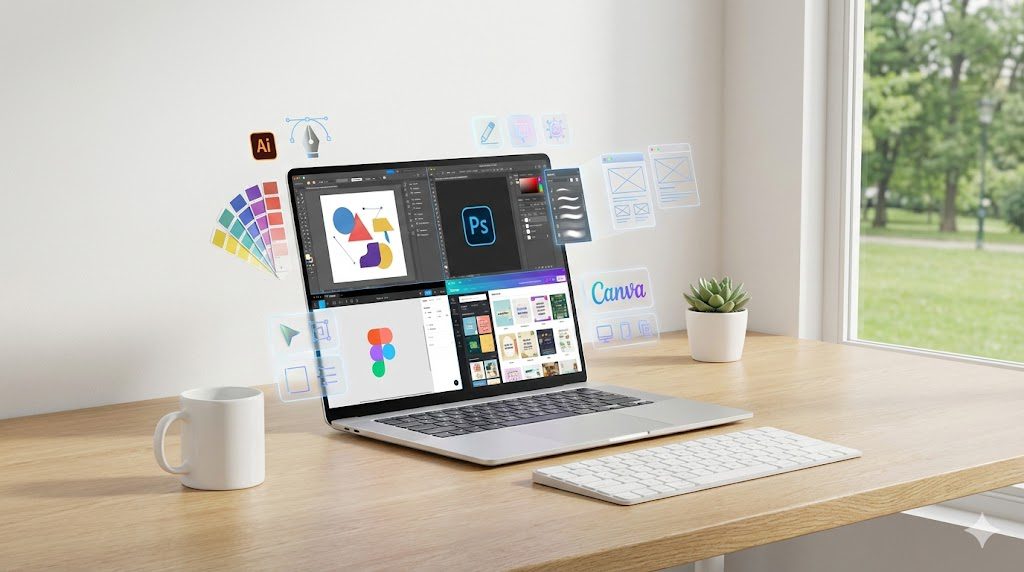
What is Graphic Design Software? Definition & Key Purposes Graphic design software refers to digital tools that help designers create, edit, and publish visual content across print, digital, and interactive mediums. These tools allow you to work with images, shapes, vector graphics, colors, layouts, typography, and complex compositions. Modern design platforms support a wide range of tasks, from manipulating photos to building detailed illustrations, crafting social media graphics, designing websites, and preparing print-ready files. As described in multiple current design reviews, these platforms serve the core purpose of enabling creative professionals and beginners to express ideas through structured, high-quality outputs visually. How the Design-Software Landscape Has Evolved The design industry has transformed significantly, especially with AI and web-based collaboration. Today’s software is not just about brushes or layers; many tools integrate artificial intelligence to automate tasks such as background removal, smart selection, layout suggestions, or color correction. Reviews emphasize that AI has become a seamless part of creative workflows, making processes faster without replacing creativity. Collaboration has also changed dramatically. Tools like Figma and Canva allow teams to work together in real time, no matter where they are, making the entire design process more dynamic and accessible. This evolution means that the “best” software now depends more on workflow, teamwork, and adaptability than just editing capabilities. Why Choosing the Right Software Matters Impact on Workflow, Output, and Budget Selecting the right graphic design software has a direct influence on the quality and efficiency of your work. Professional reviews highlight that the ideal tool should fit your design tasks, skill level, and project goals. For example, a designer working with scalable logos would struggle in a photo-editing tool instead of using a vector-based solution like Adobe Illustrator. Similarly, a marketing team producing fast social-media graphics may get more value from a template-rich platform rather than an advanced professional suite. Cost also plays an important role. With subscription-based models becoming common, the wrong software can gradually drain your budget without providing the necessary features, especially if you require multiple tools. Common Pitfalls When Choosing Wrongly Many beginners make the mistake of choosing popular software instead of choosing what they actually need. This can result in wasting time learning overly complex features or not having the right tools for specific tasks. Reviews often mention that choosing software without considering file-format compatibility, collaboration requirements, or long-term scalability can cause workflow disruptions. Designers may also face challenges when clients or teams use different tools, leading to limited compatibility or extra steps like constant file conversion. Understanding these pitfalls helps you make a more strategic choice. Categories of Graphic Design Software and Use-Cases Professional Industry-Standard Suites Professional suites remain the backbone of industries like advertising, print design, branding, and product packaging. Adobe Illustrator, Adobe Photoshop, and Adobe InDesign are consistently ranked as industry leaders because they offer deep feature sets, precise control, and compatibility across professional environments. Illustrator is known for creating vector graphics that can scale without losing quality, Photoshop is famous for image editing and manipulation, and InDesign excels at multi-page layouts for magazines, brochures, and digital publications. These platforms are often part of Adobe’s Creative Cloud ecosystem, offering seamless integration but requiring a subscription. Collaboration, UI–UX, and Team-Oriented Tools Web-based collaborative software has become essential for UI-UX designers, product teams, and agencies that work in real time. Figma stands out for its cloud-native design approach, allowing multiple people to work on the same file simultaneously. It is widely valued for prototyping, interface design, and digital product creation. Because the tool runs inside a browser, it removes issues of installation, device compatibility, and version conflicts, making it a favorite for modern digital teams. Beginner-Friendly and Template-Driven Tools Beginners, marketers, and small businesses often prefer tools that simplify design without requiring advanced skills. Canva is frequently mentioned as a platform that democratized design through drag-and-drop simplicity and thousands of templates. It is ideal for creating social-media graphics, posters, presentations, and marketing materials. By blending ease of use with a large library of pre-made layouts, Canva allows non-designers to create visually appealing graphics quickly. Budget-Friendly and Specialized Alternatives Some designers prefer avoiding monthly subscriptions. Affinity Designer and Affinity Photo are popular one-time-purchase alternatives to Adobe tools. They provide professional-grade editing capabilities at a lower cost, making them attractive to freelancers, small studios, or users transitioning away from subscription models. These tools offer strong performance but may lack some plugins or AI features found in Adobe’s ecosystem. Other specialized alternatives include tools designed for illustration, vector art, or niche creative tasks. Key Features to Evaluate When Selecting Software Vector vs Raster Capabilities Vector and raster tools serve different purposes, and reviews stress the importance of understanding the difference. Vector tools like Illustrator are used for logos, icons, and scalable artwork, while raster tools like Photoshop handle detailed images and photo manipulation. Choosing the wrong type can limit your output or produce poor-quality results when scaling. Platform and Output Support Your platform—Windows, macOS, or web-based—also influences your choice. Some tools are desktop-only, while others work entirely in a browser. Output formats matter too, especially if you are designing for print, web, or mobile. Professional tools offer more control over color profiles, print bleed, CMYK compatibility, and export presets. Collaboration and Interoperability If you work in a team, real-time collaboration and file compatibility become essential. Modern workflows rely heavily on tools that allow shared access and integrated feedback. Reviews highlight that Figma leads in this area, while Adobe tools are strong in cross-app interoperability. Licensing and Cost Model Subscription models like Adobe Creative Cloud provide constant updates but can be expensive in the long run. One-time purchase tools like the Affinity suite can be more budget-friendly, though they may not update as frequently. Web-based platforms like Canva offer free versions with optional upgrades, making them suitable for occasional designers. Learning Curve and Community Support Some tools require months of practice, while others can be learned in hours. Photoshop and Illustrator offer professional depth but come with a steeper
What Tool Is Best for Graphic Design? (Complete Guide)
Introduction The world of graphic design has never been more exciting, and choosing the right tool is now one of the most important decisions for beginners, freelancers, and professional designers. In 2025, the design ecosystem has expanded dramatically as software continues to evolve with AI-assisted creativity, advanced collaboration systems, and device-friendly platforms that make high-quality design more accessible than ever before. According to TechRadar, the industry today is shaped by powerful hybrid workflows, cloud tools, and specialized software that cater to almost every creative purpose. With so many options available, selecting the ideal tool requires clarity about your needs, your skill level, and the type of work you want to produce. What to Consider When Choosing a Graphic-Design Tool Functionality and Features A great design tool should offer the right mix of capabilities, from vector illustration to photo manipulation and layout design. Most modern tools now offer AI enhancements that automate repetitive tasks, speed up workflows, and support creative ideation. As SelectHub notes, many applications combine multiple functions—such as illustration, layout design, and photo editing—to help creators work efficiently within a single environment. Ease of Use and Learning Curve Some tools are built for professionals who prefer complete control and sophisticated editing capabilities, while others prioritize simplicity so beginners can start designing in minutes. Platforms like Canva emphasize a template-driven drag-and-drop experience, perfect for users without technical design backgrounds, while professional-grade tools like Adobe Illustrator require deeper learning due to their advanced feature sets. Budget and Licensing Model The price of design tools varies significantly. Some platforms require monthly subscriptions, while others offer affordable one-time purchases. Creative Bloq highlights Affinity Designer as one of the strongest single-purchase alternatives to subscription-based Adobe products, making it attractive for freelancers and students. Collaboration and Cloud Workflows Team projects increasingly depend on real-time collaboration. Tools like Figma have transformed the design space by offering browser-based editing and live teamwork features. According to TechRadar, cloud-native platforms are becoming essential in workflows that involve remote teams or constant client feedback. Device and Platform Compatibility Whether you work on Windows, macOS, the web, or mobile devices, compatibility matters. Many tools now offer multi-platform versions and cloud syncing, ensuring seamless work across desktops, laptops, and tablets. Top Graphic-Design Tools to Evaluate in 2025 Adobe Photoshop Adobe Photoshop remains the industry leader for raster graphics, photo manipulation, and digital artwork. WeAndTheColor’s analysis confirms that Photoshop continues to dominate due to its advanced editing capabilities and integration of AI features that simplify complex tasks such as background removal and content-aware adjustments. It is still the preferred tool for photographers, digital artists, and professionals who require pixel-level precision. Adobe Illustrator Adobe Illustrator stands as the gold standard for vector design, widely used for logo creation, branding, icons, typography, and illustrations. Creative Bloq repeatedly cites Illustrator as the primary choice for professional vector work due to its precision tools, scalable outputs, and seamless integration with the Adobe ecosystem. Canva Canva has become a global favorite for beginners, social media creators, and small businesses. Creative Bloq describes it as one of the easiest platforms to master due to its library of templates, simple drag-and-drop interface, and web-based accessibility. It is best suited for quick designs, marketing graphics, presentations, and content creation without needing technical design skills. Figma Originally known for UI/UX design, Figma has grown into a powerful collaborative tool for graphic design as well. TechRadar notes that its real-time editing capabilities, web-native design approach, and shared workspaces make it ideal for teams and complex digital projects. Figma is increasingly used for branding, layout creation, and even lightweight illustration. Affinity Designer (and Affinity Photo) Affinity Designer offers a strong alternative to Adobe products, especially for users who prefer a one-time purchase model. Creative Bloq praises it for its smooth performance, vector and raster editing modes, and professional-grade features at an affordable price. When paired with Affinity Photo, it becomes a complete design suite for those who want value without sacrificing power. Free and Open-Source Tools (GIMP, Inkscape) Free design software continues to evolve, and platforms like GIMP and Inkscape remain strong options for budget-conscious users. Creative Bloq points out that these tools provide essential editing and illustration features that make them suitable for beginners or hobbyists who want to learn the basics without financial commitment. Emerging Tools and New Trends The design industry is also welcoming new AI-powered tools that offer automated creativity, layout suggestions, and generative visuals. Cotocus highlights that several emerging platforms combine machine learning with design principles to simplify concept creation, making these tools increasingly popular among modern designers. Matching the Tool to Your Specific Needs For Beginners and Non-Designers Beginners usually benefit from software that emphasizes simplicity and templates. Canva remains one of the best entry-level options since it doesn’t require advanced knowledge and still delivers polished results. It helps new users build confidence while producing attractive designs quickly. For Professional Designers and Agencies Professionals who work on complex projects often depend on tools that offer maximum control, industry-grade precision, and compatibility across teams. Adobe Illustrator, Adobe Photoshop, and Affinity Designer are the top choices for agencies and advanced designers who require robust capabilities and high-resolution output for print and digital media. For Freelancers and Small Teams Freelancers need software that balances affordability, flexibility, and performance. Affinity Designer provides a cost-effective yet powerful alternative, while Figma is ideal for freelancers collaborating with clients on real-time projects or shared boards. For Print vs. Digital Design Projects Vector tools like Illustrator and Affinity Designer excel in print-based work due to their scalability, color precision, and control over layout. For digital design, Figma and Photoshop are more suitable because they offer stronger UI/UX tools, pixel-based editing, and screen-optimized workflows. For Budget vs. Enterprise Workflows Those on tighter budgets often prefer Canva, GIMP, or Affinity products, all of which offer strong functionality with minimal cost. On the other hand, enterprise teams typically adopt Adobe Creative Cloud or Figma due to their advanced collaboration features and integration across larger projects. Pros and Cons
How to Learn Graphic Designing: The Complete Guide for Beginners
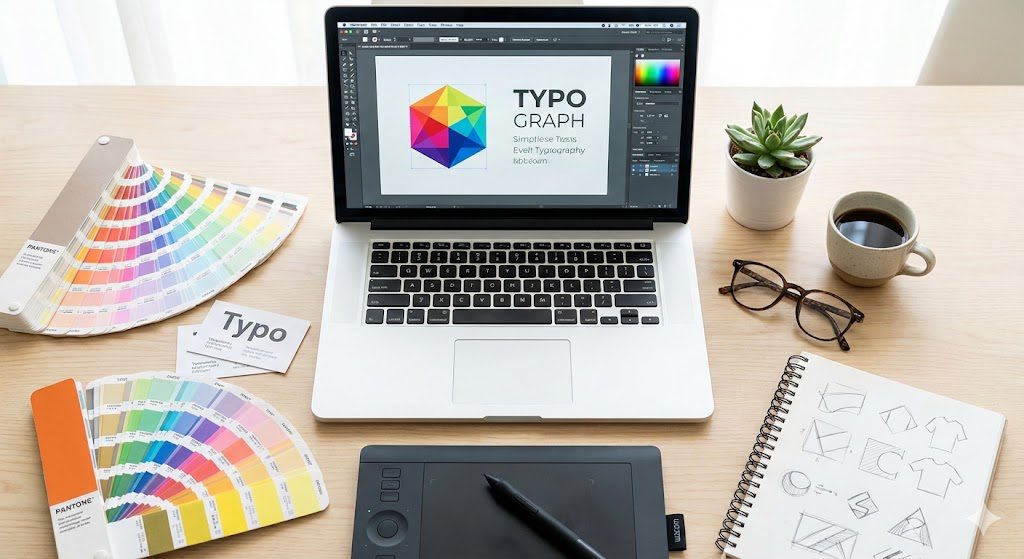
Graphic design has become one of the most in-demand creative skills in the digital age. Businesses, creators, and brands rely heavily on visual communication to convey messages, attract audiences, and build identities. According to major design resources and industry-leading platforms, graphic design is defined as the art and practice of creating visual content using typography, images, colors, symbols, and layout techniques to communicate ideas effectively. Because the field touches everything from websites and social media to product packaging and brand identities, learning graphic design opens numerous opportunities for freelancers, professionals, entrepreneurs, and digital creators. Below is a comprehensive, step-by-step guide to learning graphic design—even if you’re a complete beginner. What Is Graphic Design? Graphic design is described by modern design authorities as a discipline that combines visual elements such as color, shape, typography, and imagery to communicate a message or solve a problem. It is widely used in digital media, advertising, branding, print design, packaging, and user interfaces. Many sources emphasize that graphic design is both artistic and functional because it requires creativity along with technical skills to convey information clearly and attractively. Since visual communication plays a key role in business and marketing today, learning graphic design can help you create more engaging visuals, support brand storytelling, and build professional or personal projects that stand out. Why Learn Graphic Design? Learning graphic design offers both creative satisfaction and practical career benefits. The industry is broad and continues to expand due to the growth of online businesses, digital marketing, and content creation. Many companies require brand identity design, social media content, website graphics, packaging visuals, advertisements, and presentation materials. With accessible online tools and courses, it has become possible to learn graphic design without a formal degree by focusing on concepts, software, and consistent practice. Whether you aim to freelance, start a creative business, support your current work, or simply express your creativity, graphic design provides a valuable skill set that can open diverse opportunities. Fundamentals of Graphic Design Understanding the fundamentals is the first and most important step in learning graphic design. Industry sources highlight that design involves a combination of elements and principles that guide visual decisions. Design Elements Design elements are the basic building blocks used to create visuals. They include lines, shapes, colors, textures, space, and typography. These elements work together to form the structure and visual tone of a design. Color plays a significant role in setting emotions, while typography shapes readability and personality. Space helps balance a layout and avoids clutter, ensuring that every element serves a purpose. Design Principles Design principles help organize and refine the visual elements to make a design effective. These principles include balance, contrast, alignment, proximity, repetition, and space. For example, contrast helps draw attention, alignment creates order, and proximity groups related information. Understanding these rules allows designers to build visuals that are aesthetically pleasing and communicate ideas clearly. Types of Graphic Design Graphic design is not limited to a single specialty. Several categories exist, and understanding them helps beginners choose their preferred path. Brand Identity Design Brand identity design focuses on creating logos, color palettes, typography systems, and visual guidelines that represent a company’s personality. Designers in this field develop materials such as business cards, brand style sheets, letterheads, and visual branding assets. Marketing and Advertising Design This specialization revolves around creating promotional materials, including posters, banners, social media graphics, brochures, and advertisements. Designers use persuasive visuals that capture attention and support marketing campaigns. Web and UI Design Web and interface design involve creating visuals for websites, apps, and digital platforms. Designers work on layouts, buttons, icons, and user-friendly structures to enhance digital experiences. Print and Publication Design Publication designers create layouts for books, magazines, catalogs, and ebooks. This field relies heavily on typography, spacing, and consistent formatting to ensure readable and visually appealing pages. Packaging Design Packaging designers create visual concepts for product containers, boxes, and labels. The design must represent the brand, communicate product details, and attract consumers in retail environments. Motion Graphics Design Motion graphics involve animated visuals for videos, presentations, online ads, and social media content. This area is growing rapidly with the rise of digital storytelling and video marketing. How to Learn Graphic Design Step by Step Study the Basics and Design Theory Start by learning how visual communication works. Explore color theory, typography basics, composition, hierarchy, and the psychology behind design choices. Many reputable online resources and blogs emphasize that understanding theory is crucial before focusing on software. Learn the Essential Design Tools Once you are comfortable with the fundamentals, move on to learning design tools. Professional designers commonly use Adobe Illustrator for vector graphics and Adobe Photoshop for image editing. For beginners, user-friendly tools like Canva or Adobe Express can help build confidence and speed. As you progress, mastering industry-standard software will help you work more effectively and professionally. Take Online Courses and Tutorials Many credible platforms offer structured courses that guide you through lessons step by step. These courses cover layout techniques, design rules, software training, and project-based exercises. They help reinforce concepts and ensure you develop skills in an organized way. Practice Through Real Projects Practical experience is essential for improvement. Start by recreating simple designs to understand how professionals structure layouts and use elements. Many experts recommend “learning by doing,” where you practice logos, posters, banners, and social media posts. Practicing regularly builds muscle memory, sharpens your eye for detail, and improves your creative judgment. Build a Professional Portfolio Your portfolio is the most important showcase of your skills. Begin with small projects and personal exercises, then gradually include client work or more complex designs as you progress. A strong portfolio helps you stand out, whether you want to freelance or apply for creative roles. Join Design Communities Being part of communities helps you get feedback, stay updated with trends, and learn from experienced designers. Online forums, social media groups, and design platforms offer inspiration, support, and opportunities to grow your creative identity. Conclusion Learning graphic design
Why does Video Editing Take So Long? The Complete Guide
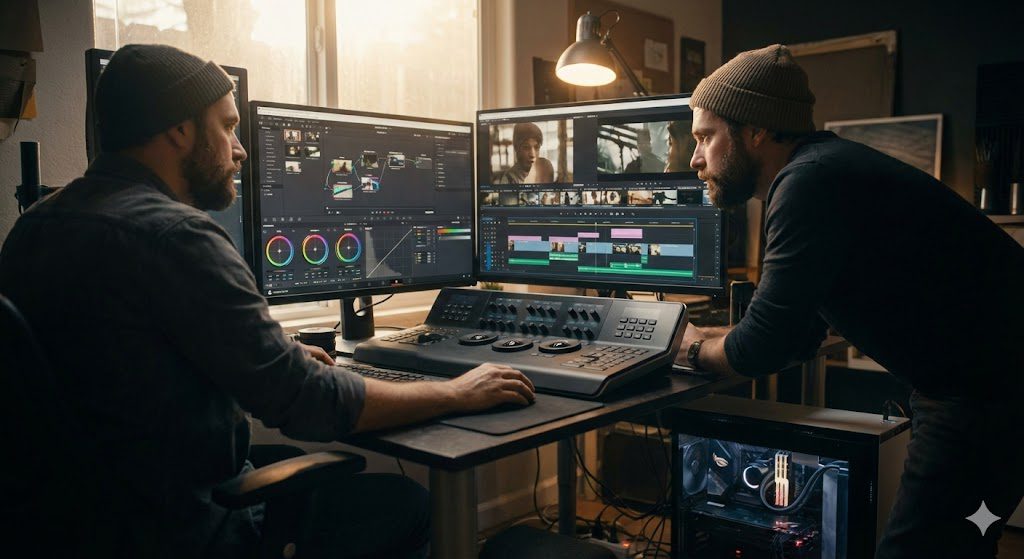
Video editing often feels like an unexpectedly long and demanding process, especially for new creators and businesses that rely on consistent video output. While the final result may look simple, the work behind the scenes is complex, layered and time-intensive. This guide explores why editing takes so long, how long different types of edits usually require, what factors influence the time cost, and how creators can streamline their workflow without compromising quality. Why Does Video Editing Often Take a Long Time? Volume of Raw Footage and Review Time The primary reason editing takes time is the sheer volume of raw footage an editor must review and organize. Hours of recordings must be sorted, labelled and trimmed before the real editing even begins. According to ProGlobalBusinessSolutions, the ratio of raw footage to finished video is a major determinant of editing time, because each additional minute of footage requires review, selection and potential cleanup. The more extensive the footage, the slower the workflow becomes as editors repeatedly scrub through timestamps, compare takes and build the narrative structure from scratch. Complexity of the Edit: Effects, Colour Grading, Multiple Angles Editing becomes significantly more time-intensive when the project includes colour grading, motion graphics, subtitles, sound design, or multiple camera angles. Offshore Clipping notes that simple cut-and-trim edits can be quick, but once transitions, overlays, B-roll and graphics are layered in, the timeline becomes far denser and each detail requires precision. Tasty Edits adds that many professional editors estimate “30–60 minutes of editing per minute of finished video,” meaning even a short, polished clip demands careful craftsmanship. Tools, Workflow and Editor Experience The software and hardware used also influence how long a project takes. High-resolution footage slows down machines, rendering takes time, and large project files must be managed carefully. Beyond that, an editor’s experience shapes their speed: skilled editors know shortcuts, presets and optimized workflows that reduce friction. As ProGlobalBusinessSolutions explains, organization, tool familiarity, and an efficient editing pipeline determine whether a project moves steadily or drags on. Organic Opz adds that a clear brief and smooth collaboration between clients and editors also shortens the editing cycle. Revisions, Feedback and Delivery Requirements Even after the first version of a video is complete, the work often continues. Offshore Clipping highlights that client feedback cycles routinely add hours or even days to the timeline as editors adjust pacing, replace clips, re-colour scenes or fine-tune audio. Tasty Edits notes that express delivery options often cost more because speeding up the process requires rearranging schedules and compressing revision loops. How Long Does Video Editing Actually Take? Typical Time Ranges by Video Length or Type While timelines vary, industry estimates paint a clear picture. Offshore Clipping reports that simple one-minute videos typically require anywhere from 30 minutes to 2 hours, whereas more complex edits take 3–4 hours. A five-minute video may require 3–6 hours for basic editing and up to 8–10 hours for a more polished finish. Longer content like 30-minute videos may take 15–20 hours for simple edits and well beyond 40 hours for intricate, cinematic productions. These estimates reflect the hidden layers of sound, colour, pacing and storytelling that shape the final cut. Time Ranges for YouTube Content YouTube editing varies by niche and style. Gling.ai reports that short videos between 1–4 minutes often need 1–4 hours of editing, while vlog-style content or review videos usually take 5–10 hours. Highly stylized content—travel vlogs, music-driven montages, cinematic B-roll—commonly takes 15–30 hours or more. These numbers reflect how platform culture shapes expectations: YouTube viewers expect visual storytelling, fast pacing and engaging edits, all of which increase editing time. Turnaround Time vs Actual Editing Hours It’s important to separate “editing time” from “turnaround time.” Tasty Edits explains that editing time refers to the actual hours an editor spends working, whereas turnaround time includes communication delays, file transfers, scheduling gaps and feedback loops. Even a simple edit may require several business days because of these external factors. Professional studios typically quote 2–7 business days for an initial draft, regardless of the edit’s actual minute-by-minute workload. What Factors Drive the Time Cost in Editing? Raw Footage Length and Quality The volume and quality of raw footage directly affect editing time. ProGlobalBusinessSolutions notes that poor lighting, shaky clips or bad audio require fixing, stabilization or noise reduction—all of which add hours to the workflow. Clean, well-shot footage is significantly faster to edit than material that requires repair. Desired Output Quality and Style As editing complexity increases, so does the time required. Offshore Clipping emphasizes that cinematic colour, advanced transitions, motion graphics, dynamic text, and multi-layered sound design take far longer than basic cuts. Higher production values mean more intricate timelines, more rendering and more decision-making. Use of Multiple Cameras, Angles and Assets When footage includes multiple camera angles, B-roll, overlays or animation assets, editors must synchronize and match every layer perfectly. Offshore Clipping highlights that multi-camera projects require careful alignment of audio and visuals, making them inherently more time-consuming. Editor Skill, Tools and Workflow Efficiency Skilled editors with streamlined workflows work faster, not because they cut corners, but because they eliminate unnecessary steps. Gling.ai adds that modern tools, templates and AI-assisted editing can shorten early stages like cutting silence or organizing footage, though the creative decisions still require human oversight. Client or Stakeholder Feedback Cycles Finally, feedback can dramatically affect timelines. Organic Opz notes that unclear feedback or multiple revision rounds can double the editing time. When feedback is consolidated and direction is clear, editors work faster and more confidently, reducing redundant revisions. How to Speed Up the Video-Editing Process Without Sacrificing Quality Pre-Production and Organized Footage Equals Faster Edits Planning before shooting—such as creating a shot list or script—makes editing far smoother. Offshore Clipping explains that organized folders, properly labelled clips and structured footage save editors from hours of unnecessary searching and sorting. Use Templates, Presets and Efficient Workflow Systems Keyboard shortcuts, presets for effects and colour, and reusable templates dramatically reduce repetitive tasks. Gling.ai notes that editors who build template
Is Graphic Design Important? A Complete Guide 2025
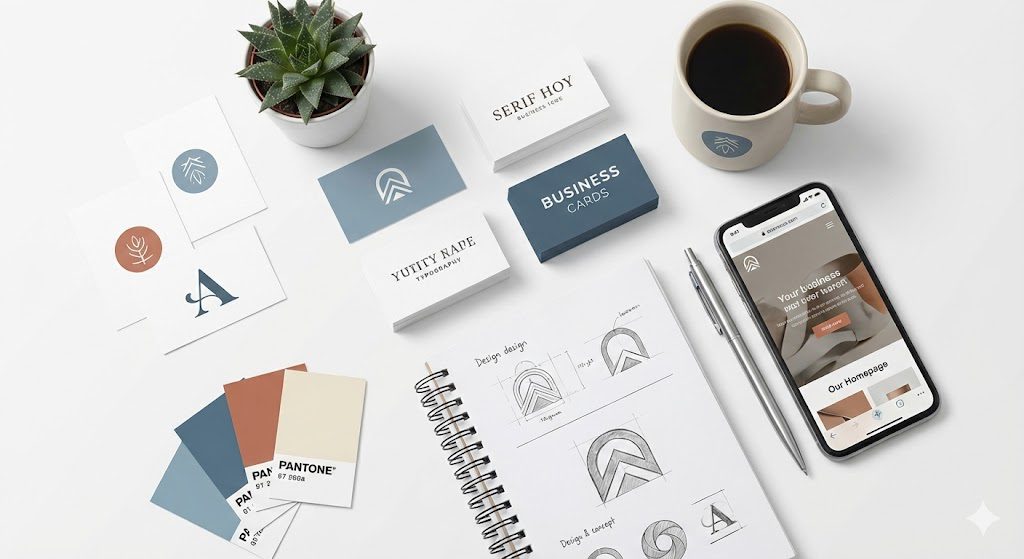
What Is Graphic Designing? Graphic design is the art and practice of planning and creating visual content that communicates messages effectively. It blends creativity with strategic thinking, using elements such as typography, colour, layout and imagery to shape how information is perceived. As described by major design references, it is both an applied art and a communication discipline that helps transmit specific ideas to social groups with a clear purpose. From branding and advertising to digital interfaces and printed media, graphic design translates concepts into visuals that resonate with human emotions and understanding. Why Is Graphic Designing Important? Effective Communication and Visual Storytelling Graphic design is essential because visuals communicate far faster and more powerfully than text alone. Modern research and industry insights show that people process images within fractions of a second, which makes visual messaging vital in an age dominated by short attention spans. Good design transforms complex information into simple, memorable visuals. Infographics, illustrations and layouts help audiences understand ideas quickly, improving retention and clarity. This is why brands, educators and digital creators rely heavily on design to convey stories that words alone cannot express deeply or instantly. Branding and Recognition A business’s identity is shaped largely by its visual presentation. Consistent use of logos, colours, fonts, and design style strengthens recognition and creates emotional associations with the brand. According to multiple branding authorities, a strong design system builds trust and increases the chances of customers remembering and preferring a brand over competitors. Graphic designing also ensures consistency across marketing materials, social media posts, packaging and websites, enabling a company to appear credible, professional and unified wherever its audience meets it. Business Value and Competitive Advantage Research from management and consulting firms, including McKinsey’s “The Business Value of Design,” confirms that companies investing in high-quality design significantly outperform competitors financially. Design contributes directly to conversions, customer satisfaction and competitive differentiation. When visuals are professional and strategically aligned, they help businesses attract attention in crowded markets. Good design can elevate product value, influence buying decisions and create a unique identity that competitors cannot easily replicate. User Experience (UX) and Digital Relevance In today’s fast-paced digital environment, graphic design is integral to user experience. Websites, apps and social media platforms rely on visual structure to guide users smoothly. A well-designed interface improves usability by organising information intuitively, reducing confusion and creating enjoyable interactions. Effective UI and UX design combine aesthetics with function, ensuring that visuals support navigation and behaviour. Experts highlight that users form first impressions of a webpage in as little as 50 milliseconds, which means design quality can determine whether visitors stay or leave. Trust, Credibility and Perception Professional visuals create trust. High-quality design signals that a brand cares about its image and, by extension, its customers. Psychological concepts like the “Aesthetic-Usability Effect” suggest that people perceive attractive designs as more reliable and easier to use. On the other hand, poorly executed graphics can instantly damage credibility, making even excellent products appear unprofessional. In an era where customers have countless options, trust built through design becomes a decisive factor in choosing one brand over another. When and Where Graphic Designing Matters Graphic design matters in almost every area of communication. Small businesses rely on it to build presence, while large corporations use it to maintain strong global identities. It plays a vital role in advertising, social media, websites, packaging, print marketing, presentations and digital learning. It is also crucial in environments where first impressions matter because users often judge quality within seconds based on visuals alone. Whether for startups launching a new brand or established businesses improving customer experience, design influences how messages are received and how decisions are made. Limitations and Considerations Although graphic design is powerful, it is not a standalone solution. Effective design must be supported by research, strategy and understanding of user needs. Spending on design without aligning it with clear goals may not produce meaningful results. Some sources highlight that design can become ineffective if businesses focus only on aesthetics without considering functionality or audience behaviour. Like any tool, its real value comes when it is used thoughtfully and consistently. How to Get the Most Out of Graphic Design To maximise the benefits of graphic design, businesses and creators should begin with careful research into their audience, competitors and industry trends. Understanding what appeals to the target market helps create visuals that connect emotionally and practically. Consistency is another critical factor, as a unified visual identity strengthens recognition. Good design balances beauty with usability, ensuring that colours, typography and layout enhance the message rather than distract from it. When form and function work together, design becomes a powerful growth engine. Future Trends in Graphic Design Graphic design continues to evolve rapidly with advancements in digital tools and artificial intelligence. Designers are now adapting to new technologies such as automated design assistance, generative visuals and immersive media. The future of design will demand both creativity and technological fluency. As industries move toward more personalised and interactive digital experiences, graphic designers will play an even more pivotal role in shaping how information is consumed in the coming years. FAQs About the Importance of Graphic Design Is graphic design really essential for businesses? Yes, graphic design is extremely important for businesses because it shapes how a brand communicates visually with its audience. Strong design helps a company appear professional, builds trust and differentiates it from competitors. Research shows that businesses investing in design outperform rivals because visuals influence buying decisions, brand recall and overall customer engagement. How does graphic design help with branding? Graphic design helps with branding by creating a consistent visual identity across all platforms. Elements such as a logo, colour palette, typography and imagery style are crafted to reflect the personality of the brand. When customers repeatedly see and recognise these visual cues, it strengthens their connection to the brand. Effective branding design makes a business memorable and more likely to be chosen over alternatives. Why do visuals matter more than
Is Video Editing Important? – Complete Guide Updated 2025
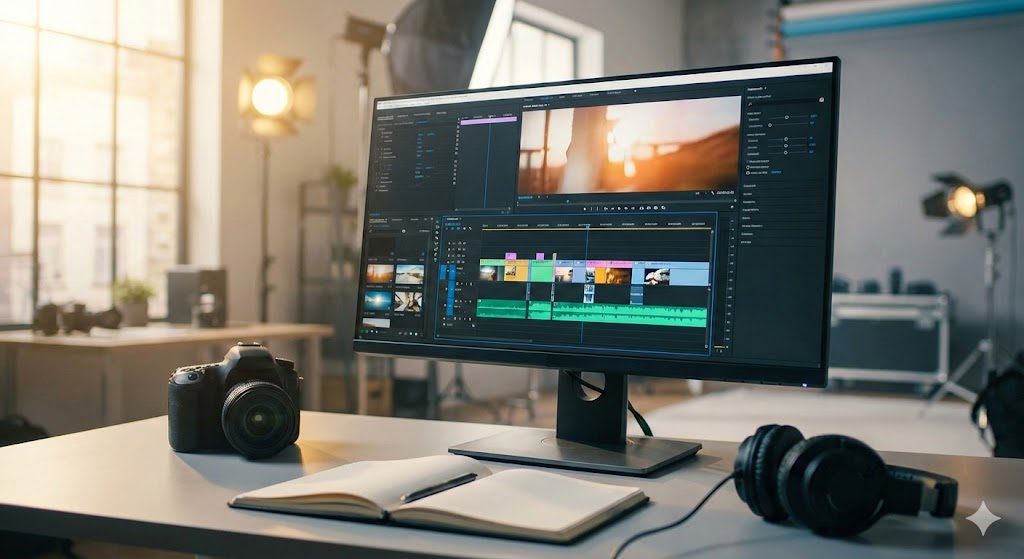
Why video editing matters Enhancing visual and audio quality Raw footage is rarely ready for viewing. Editing removes unwanted clips, balances the audio, corrects colour, and smooths transitions so the final video feels polished and like a video editing professional. Industry experts emphasis that without editing, even well-shot footage becomes messy and unrefined. The editing process elevates basic visuals and sound into something that feels complete and intentional. It shapes the look, tone, and clarity of your final output, making it suitable for audiences, brands, and platforms. Crafting narrative and message clarity Editing is the stage where a story truly comes together. Raw footage tends to be unstructured, repetitive, or unclear. Through editing, clips are arranged in a logical sequence, pacing is adjusted, and visuals are aligned with the message. By adding B-roll, voice-overs, transitions, or graphics, the editor ensures the viewer follows a coherent flow rather than a disjointed collection of scenes. This process turns fragments into a story that makes sense and communicates effectively. Engaging the audience and retaining attention In today’s fast-paced digital world, audiences decide within moments whether they will keep watching a video. Editing helps capture attention quickly by removing unnecessary parts, highlighting key moments, and maintaining engaging pacing. Well-edited videos feel more dynamic, diverse, and visually interesting, reducing viewer fatigue. This is crucial on social platforms where attention spans are short and competition is high. Branding and professionalism Your video reflects your brand. Well-edited content conveys professionalism, quality, and credibility. Poor editing, or no editing at all, can harm trust and make your brand appear unpolished or careless. Businesses rely on video editing to present clear messages, maintain consistency, and strengthen brand identity. Whether you’re a business, influencer, or creator, polished editing signals attention to detail and enhances your brand’s overall image. Practical benefits of video editing Improved reach and share ability People are far more likely to share a video that looks clean, engaging, and professional. Edited videos capture the viewer’s interest early and deliver information efficiently, increasing watch-time and share-rates. On social media — where users scroll quickly — editing can be the difference between content that spreads and content that is ignored. Cost efficiency and optimisation Editing helps you get the most out of your shooting efforts. Instead of reshooting, you can repurpose existing footage into different formats such as reels, shorts, ads, tutorials, and social clips. Proper editing also ensures your video meets platform requirements for aspect ratio, resolution, length, and file size. This optimisation improves performance across devices and reduces unnecessary production costs. Technical and accessibility advantages Video editing fixes technical issues that distract viewers: background noise, mismatched audio, jump cuts, rough pacing, and lighting problems. Editing also improves accessibility by adding captions, graphics, animations, and explanatory overlays. These elements make videos easier to understand, more inclusive, and more appealing to a broader audience. Educational and creative development Learning editing nurtures creativity, storytelling, and digital literacy. Whether someone is a content creator, student, or educator, editing improves problem-solving skills and visual communication. In a digital-first world, video editing is becoming a must-have skill for professional growth and modern expression. What happens if you skip or undervalue video editing Risk of low engagement and credibility loss Videos without editing tend to be too long, poorly structured, or visually dull. Viewers lose interest quickly, leading to low engagement, fewer shares, and reduced viewer retention. For brands, this can directly impact credibility and conversions. Even if the footage is great, without editing it rarely delivers the intended message or emotional impact. Technical issues and platform compatibility Unedited videos often suffer from continuity errors, awkward transitions, inconsistent audio, or formats that don’t display well on different devices. These issues make the viewing experience uncomfortable, causing audiences to leave early. Editing ensures the final product is smooth, professional, and properly optimised for distribution. How to approach effective video editing Planning and organising footage A strong edit begins with organising your raw footage. Reviewing clips, selecting the best moments, and structuring them around a story saves time and ensures clarity. Good organisation leads to efficient editing and a cleaner narrative. Aesthetic and technical editing decisions The heart of editing involves trimming scenes, refining pacing, adjusting colour and audio levels, and adding transitions or effects where needed. These decisions impact mood, coherence, and emotional impact. Consistent colour, smooth audio, and well-timed cuts elevate the entire viewing experience. Tailoring to platform and audience Different platforms require different formats. Vertical videos suit TikTok and Reels, while horizontal videos work well on YouTube. Mobile-first audiences need quick pacing, readable captions, and clean visuals. Editing ensures your video matches the viewing habits and expectations of your specific audience. Reviewing and refining The first draft of an edit is rarely the final version. Reviewing, gathering feedback, improving transitions, syncing audio, tightening pacing, and checking the video across devices are essential steps. Editing is an iterative process — refinement brings polish. Conclusion Yes — video editing is extremely important. It transforms raw footage into an engaging, professional, clear, and emotionally compelling story. Editing enhances quality, strengthens brand perception, improves reach, fixes technical issues, and makes videos accessible and platform-ready. Without editing, even the best footage risks falling flat. Whether for business, content creation, education, or personal use, video editing is the key to producing videos that truly connect with audiences. FAQs About the Importance of Video Editing 1. Why is video editing necessary if the footage is already good? Even well-shot footage needs editing because raw clips rarely flow smoothly on their own. Editing removes mistakes, improves pacing, balances audio, and adds structure to the story. Without these enhancements, even high-quality footage can feel unpolished or confusing. 2. Can video editing really increase viewer engagement? Yes, editing plays a major role in keeping viewers interested. By removing unnecessary parts, highlighting key visuals, and improving rhythm, editing helps maintain attention. Well-edited videos are more enjoyable to watch, which leads to higher retention and better engagement. 3. Is video editing important for small
8 Best SEO Service Companies in Sharjah to Boost Your Online Presence in 2025
In the competitive digital landscape of Sharjah, businesses are increasingly turning to SEO (Search Engine Optimization) to gain visibility, drive traffic, and increase sales. With the ever-changing algorithms and evolving trends, finding the right SEO service provider is crucial. In this article, we will explore the 8 best SEO service companies in Sharjah that can help businesses improve their online presence in 2025. 1. SalesBouncer: Sharjah’s Leading SEO Experts SalesBouncer is one of the top SEO service providers in Sharjah, specializing in driving traffic and increasing conversions for businesses across various industries. They offer a tailored approach to SEO with the following services: Why Choose SalesBouncer for SEO in Sharjah? 2. MegaByte: Sharjah’s SEO Specialists for All Businesses MegaByte is another prominent SEO service provider in Sharjah, offering holistic digital marketing services. Their key offerings include: Why MegaByte Stands Out in Sharjah? 3. SERPMaxx: Premier SEO Service Providers in Sharjah SERPMaxx is known for its cutting-edge SEO strategies. Their services are tailored to businesses of all sizes, focusing on: Why Choose SERPMaxx for SEO in Sharjah? 4. One Time SEO Company: Sharjah’s Unique SEO Solution If you’re looking for one-time SEO services without ongoing contracts, One Time SEO Company is the right choice. Their SEO package includes: What Makes One Time SEO Company Special? 5. The Educationist Hub Media Pvt. Ltd.: Sharjah’s SEO Excellence The Educationist Hub Media offers premium SEO services tailored to Sharjah businesses, focusing on: Why Partner with The Educationist Hub Media? 6. Indeed SEO: Local SEO Experts in Sharjah Indeed SEO specializes in local SEO, making it one of the best choices for businesses in Sharjah targeting local customers. Their services include: Why Indeed SEO is Perfect for Local Businesses in Sharjah? 7. Codedm2: Reliable SEO Solutions for Sharjah Businesses Codedm2 offers reliable and effective SEO strategies to help Sharjah businesses grow their online presence. Their services include: Why Codedm2 is Ideal for Sharjah-Based Businesses? 8. eMarketing Egypt: Boosting SEO in Sharjah with Proven Methods eMarketing Egypt is another top contender in Sharjah’s SEO market, offering a wide range of services that include: What Makes eMarketing Egypt Stand Out? Conclusion: Choose the Best SEO Service for Your Sharjah Business Choosing the right SEO company in Sharjah is crucial for improving your online visibility and achieving your digital marketing goals. Whether you are a small local business or a large enterprise, the 8 best SEO service companies in Sharjah highlighted above offer tailored solutions to help you succeed in the competitive online market. Take Action Now! FAQs About SEO Services in Sharjah 1. What Is SEO and Why Is It Important? SEO is the process of optimizing your website to rank higher in search engine results, helping you attract more organic traffic and customers. It’s essential for improving online visibility. 2. How Do I Choose the Right SEO Company in Sharjah? Look for companies with proven experience, transparent pricing, a portfolio of successful projects, and expertise in your industry or niche. 3. How Long Will It Take to See SEO Results? SEO is a long-term strategy. While you may see improvements in traffic within a few months, significant results usually take around 6-12 months depending on competition. 4. Are SEO Services Expensive in Sharjah? The cost of SEO services varies based on the scope of work, but many SEO companies in Sharjah offer scalable packages to fit different budgets. 5. What Are the Benefits of Local SEO for Sharjah Businesses? Local SEO focuses on improving rankings for geo-targeted search terms, ensuring your business is found by local customers looking for your products or services.
How to Boost Your Business with SEO: Top SEO Service Companies in Ajman
In today’s digital world, simply having a website isn’t enough. If you want customers to find your business on Google, maps, or social media, you need SEO (Search Engine Optimization). SEO makes it easier for search engines to locate your website, and the better your SEO, the higher your site ranks. This leads to more clicks, more calls, and ultimately, more business. However, many businesses struggle with SEO because they don’t know how to do it right. That’s where SEO companies come in. We’ve compiled a list of the best SEO service companies in Ajman to help boost your online presence and grow your business. How to Choose the Best SEO Service Company Not all SEO companies are created equal. Some make big promises but fail to deliver real results. A good SEO company focuses on understanding your business, auditing your website, and explaining how they can improve your rankings. They will not promise quick fixes. Instead, they will provide clear action steps, timelines, and progress updates. They focus on making your website fast, mobile-friendly, and optimized for local searches. The best SEO companies in Ajman do not overcomplicate things; they get results. 1. SalesBouncer SalesBouncer is a dedicated SEO company focused on improving your website’s visibility and ranking. They begin by auditing your website, fixing issues like slow loading times and broken links, and ensuring your site is optimized for mobile devices. Their team also works on keyword optimization and technical fixes to ensure your site is fully SEO-friendly. SalesBouncer provides regular updates without technical jargon, so you can easily understand the progress. They work with you closely to ensure your website gains the visibility it deserves. 2. Waince Web Tech Based in Ajman, Waince Web Tech specializes in building websites that load quickly and work seamlessly on all devices. They embed SEO into the website development process, ensuring that Google can easily index and rank your site. For businesses that already have a website, Waince Web Tech offers comprehensive SEO audits and addresses any issues affecting rankings. They prioritize measurable results and focus on continuous improvement to help your business succeed. 3. DigiMark DigiMark is a well-established digital marketing agency that has been operating since 2012. They offer a range of services, including SEO, web development, content creation, and social media management. DigiMark tailors its SEO strategies to meet your business goals, whether you’re looking to boost traffic, improve local visibility, or target competitive keywords. Their team is always up-to-date with the latest SEO trends and strategies, ensuring that your business stays ahead of the competition. 4. Intero Digital Intero Digital takes a data-driven approach to SEO. They rely on analytics to guide every decision, ensuring that changes to your website are based on solid data, not guesswork. Their transparent process includes regular updates and results tracking, making it easy to see the impact of their work. If your website needs technical SEO improvements or a complete strategy overhaul, Intero Digital is the ideal choice. 5. Outpace Outpace is an SEO agency that puts clients first. They begin by learning about your business, target audience, and any existing website challenges. After gathering this information, they create a tailored SEO strategy that includes keyword research, link building, and local SEO. Outpace’s clear communication and dedication to explaining the “why” behind each SEO tactic has helped many businesses see significant increases in traffic within just a few months. 6. Boostability Boostability is a great choice for small businesses that need affordable SEO services. They specialize in organic SEO—helping websites rank higher without the need for paid ads. Boostability provides keyword research, website optimization, backlink building, and regular progress updates. This company is perfect for small businesses trying SEO for the first time, although larger enterprises may need more advanced services for complex SEO challenges. 7. Digital Dot Digital Dot is known for delivering fast results while maintaining high-quality SEO standards. Their process begins by addressing any technical issues on your website, followed by keyword targeting and content optimization. Digital Dot ensures that every project stays on track and delivers measurable SEO improvements. If you’re unsure where to start with SEO, Digital Dot’s team will walk you through each step and ensure that your website gets the attention it needs to succeed. 8. Search Engine People Search Engine People is an agency focused on long-term SEO success. Rather than promising quick results, they concentrate on building sustainable rankings over time. Their strategies include content planning, understanding search intent, and conversion tracking—not just focusing on clicks. This makes Search Engine People an excellent choice for businesses that view SEO as a long-term part of their growth strategy. 9. Bird Marketing Bird Marketing offers a comprehensive SEO service that covers everything from on-page SEO and content creation to technical SEO and link building. They also specialize in paid search, offering businesses the option to combine SEO with paid ads for a more well-rounded digital strategy. Bird Marketing is praised for its ability to get results consistently and has helped numerous businesses reach the top of Google’s search results. 10. Aspectus Aspectus combines SEO with public relations (PR), helping businesses not only rank higher but also get featured in media outlets, blogs, and industry websites. This dual approach builds credibility with customers and earns valuable backlinks (a ranking factor Google loves). Aspectus is ideal for B2B companies or niche businesses that need both SEO and media exposure to succeed. Conclusion Ajman is growing rapidly, and as more businesses enter the market, it’s important for your business to stand out online. If your website isn’t visible on Google or other search engines, you’re missing out on potential customers. SEO is a long-term strategy, but with the right SEO company, you can increase your online visibility, generate more leads, and grow your business. The SEO companies listed here have a proven track record of helping businesses succeed in Ajman, and they’re ready to help your business thrive as well. Frequently Asked Questions (FAQs 1. How
SEO Services for Restaurants: Boost Visibility & Customers
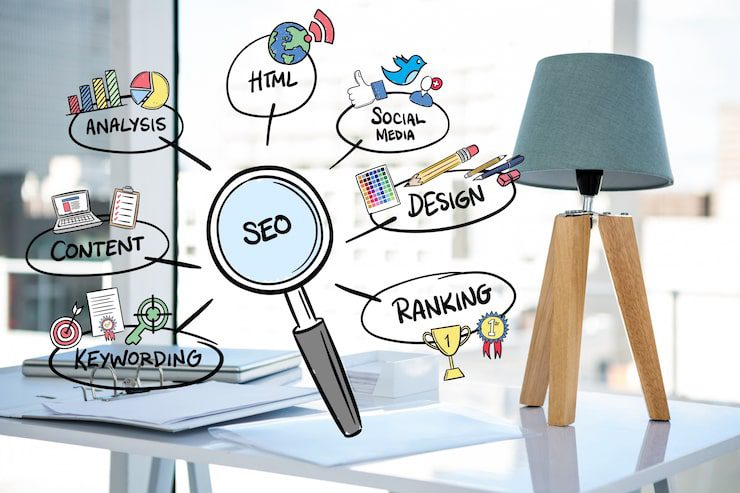
In today’s digital world, having an online presence is crucial for the success of your restaurant. Search Engine Optimization (SEO) plays a key role in ensuring that potential diners can find you when searching for restaurants online. Whether you run a small café or a large dining establishment, an effective SEO strategy can significantly improve your visibility, increase website traffic, and ultimately, boost reservations. In this guide, we’ll explore the importance of restaurant SEO and how it can help your business grow. What is SEO, and Why is it Crucial for Restaurants? SEO, or Search Engine Optimization, is the process of optimizing your website so that it ranks higher on search engines like Google. When people search for restaurants online, SEO helps your restaurant’s website appear in the search results, making it easier for potential customers to discover you. A solid SEO strategy ensures that your restaurant appears at the top of search results when people search for relevant terms like “best pizza in London” or “restaurants near me.” Without SEO, your restaurant could remain hidden from the customers actively searching for places to eat. SEO is not only about increasing visibility; it also helps build trust, engage customers, and drive more foot traffic to your restaurant. Local SEO: The Key to Attracting Nearby Diners Local SEO is one of the most important aspects of restaurant SEO. It helps your restaurant show up in search results for location-based queries, such as “best restaurants in New York.” Since most customers are likely to search for restaurants near them, it’s crucial to optimize for local searches. Start by claiming and optimizing your Google My Business profile (now known as Google Business Profile). Ensure that all your restaurant’s details—such as name, address, phone number (NAP), hours of operation, and menu—are accurate and consistent across the web. A complete and optimized Google Business Profile improves your chances of appearing in local search results, particularly when customers search for “restaurants near me.” How Website Design Affects Restaurant SEO Your website’s design plays a significant role in your SEO rankings. Google values user experience, which means that your website should be easy to navigate, mobile-friendly, and fast-loading. A well-designed website keeps visitors engaged, reducing bounce rates and improving your SEO rankings. Make sure that your website includes clear navigation, especially for key information such as the menu, contact details, and booking options. A seamless user experience encourages visitors to stay on your site longer, increasing the likelihood that they will make a reservation or visit your restaurant. Optimizing Keywords: How to Use the Right Words for Your Restaurant Keywords are a fundamental aspect of SEO. These are the search terms that people use to find specific information online. For restaurants, using the right keywords means targeting phrases like “Italian restaurant in [city]” or “best sushi near me.” To increase your chances of appearing in relevant searches, incorporate location-based keywords naturally into your website content, including titles, headings, and descriptions. For example, if your restaurant specializes in Italian cuisine in New York, include keywords like “best Italian restaurant in New York City.” This helps Google understand what your restaurant offers and where you are located, making it easier for users to find you. The Power of Reviews: How Customer Feedback Boosts SEO Online reviews are crucial for local SEO. Google and other search engines trust businesses with more positive reviews, ranking them higher in search results. Encourage satisfied customers to leave reviews on platforms like Google and Yelp. Responding to reviews, both positive and negative, shows that you care about your customers’ experiences and helps build trust. A high volume of positive reviews can also influence potential customers’ decisions, increasing the likelihood that they’ll choose your restaurant over competitors. More reviews improve your SEO rankings and strengthen your restaurant’s credibility. How SEO Can Help You Outrank Your Competitors SEO is your chance to outshine your competition. In the competitive restaurant industry, where many businesses are already investing in SEO, ranking higher than your competitors can make a big difference in attracting more customers. Studies show that the top five search results account for 67.6% of all clicks. So, the higher your restaurant ranks, the more website traffic and customers you’ll receive. If your competitors aren’t focusing on SEO, you have a fantastic opportunity to take the lead. By optimizing your website and following best SEO practices, you can dominate search results and capture customers who would otherwise go to your competitors. SEO Tips for Restaurants to Boost Online Visibility Here are some additional SEO tips to help your restaurant improve its online presence: Why Choose Sales Bouncer for Restaurant SEO? Looking to attract more customers to your restaurant through expert SEO? Sales Bouncer, a trusted name in digital marketing, delivers proven strategies tailored specifically for the restaurant industry. With years of hands-on experience, Sales Bouncer helps local eateries and global chains alike climb search engine rankings, boost visibility, and drive foot traffic. From on-page optimization to local SEO strategies, Sales Bouncer offers a full suite of customized services designed to meet your restaurant’s unique needs and maximize your online potential. Conclusion: Invest in SEO to Grow Your Restaurant Business SEO is an essential tool for restaurants looking to increase their online presence, attract local customers, and grow their business. By optimizing your website, targeting the right keywords, engaging with customers through reviews, and focusing on local SEO, your restaurant can stand out in the competitive market. If you’re ready to boost your restaurant’s visibility and start attracting more customers, investing in SEO is a smart, cost-effective way to do so. FAQs Why is SEO important for restaurants? SEO helps your restaurant appear in relevant searches, increasing online visibility and driving more customers to your website and restaurant. How long does it take to see results from SEO? SEO typically takes 3 to 6 months to show significant results, depending on competition and the effectiveness of your strategy. How can I improve my restaurant’s local SEO? Optimize
Top SEO Agencies in Berlin: Boost Your Rankings and Get Found Online
Introduction Having a website is not enough in today’s digital world. If you have a local store or own a tech startup in Berlin, you must sit on top positions of Google. If people can’t find you online, you don’t exist no matter how excellent your products or services. This is where an SEO agency you trust comes in. Today, we are going to dive deep and reveal the best SEO companies in Berlin that will help you grow your traffic. Local SEO for Berlin Businesses Just a few short years ago, the website was the primary starting platform. But now, if your business does not appear when people conduct searches like for example “best restaurant in berlin” or “plumber kreuzberg”, you are losing out on business that is going to those that do. If you target nearby customers, then Local SEO will be the one asking for it when it comes to showing up in those search results. Local SEO refers to the practice of ensuring that your online presence is accurately represented in searches pertaining specifically to areas you service on Google Maps and other local listing sites. If many Berliners search for the services you offer, then it is important that an experienced SEO agency knows the local market and search trends. Top SEO Agencies in Berlin Sales Bouncer As a local SEO specialist Sales Bouncer is one of the top businesses in the Berlin SEO scene. Google tells Webmasters that they’re worth it if their site gets to the top of a search result on Google Search or Google Maps. Be it a small business or an established brand, they come up with custom strategies to keep your business alive and competitive. Netz Bekannt GmbH Netz Bekannt: Alex chatted with Netz Bekannt, a full-service agency that combines on-page SEO and off-page (SEA) to paint the big picture of what even bigger returns can look like. They help you move above your site ranking and instant traffic generation through Google Ads. They have experience working in different industries, such as language schools and NGOs, so they are an adaptable option for businesses from various sectors. Claneo GmbH Claneo: Great if you target a lot of markets or languages. The award-winning agency is an international SEO specialist that offers bespoke solutions to help global brands succeed. This is a very SEO and content marketing focused product strategy that ensures both your ranking will be high for your content and that the content it self is as good as it can possibly be in all markets SEO Berlino SEO Berlino is perfect for data-driven businesses. They provide in-depth SEO audits, competitor analysis, keyword research as well as backlink strategies. As they produce monthly reports, giving you a popular insight into your SEO performance; this makes them a firm favourite with the more clear and concise companies which value measurable results. SERP Local For those more focused on Local SEO, SERP Local is a great choice. They are focused on getting you to rank higher in Google Maps and increasing your local SEO. Regardless of the strategies and methodologies they use, their sole purpose is to ensure that your business ranks high on Berlin’s search engines in an environment where thousands of businesses compete head-to-head. Dasch Marketing From SEO, Web Design and Social Media Management, to Pay-Per-Click (PPC), Dasch Marketing has you covered for all areas of digital marketing. By following its personalised approach, the business takes a human-first rather than pipeline-first and meets the companies warm where they are. Dasch Marketing is a great option if you prefer to work with people who know how to communicate clearly and listen to what you need. UAWC Agency The UAWC Agency specializes in performance and ROI. They closely monitor their SEO and ad campaigns, resulting in exceptional returns for clients — some up to 300% ROI. With high-level data-driven offerings, they are an ideal partner for companies that want proven results through SEO. Indexsy From the outset, Indexsy advocates for pure and ethical SEO. They specialize in on-page and off-page SEO processes that can enhance your backlinks, content, site structure, etc. Working quickly and genuinely for their clients has even allowed them to answer the prayers of many a business that sought long-term, white-hat SEO. Hey SEO Screaming Frog is the leading SEO crawler on the market (because its like… really good) and doesn’t necessarily need little brothers to assist it. They really leave no stone unturned in terms of SEO, looking at everything from site speed to whether or not the site is reponsive. Hey SEO solves this issue by index better and appear in the search results are helping business owners achieve search rankings and visibility they deserve by fixing potential issues with their website. Conclusion SEO is not just placing key words on the website of your content. Ultimately, it is about knowing how your audience search for you and how they interact with your brand online. These SEO agencies listed above are the best at what they do and can fine tune you to always be in line with the ever-changing SEO guidelines. By partnering with the right agency, your search rankings will improve and you can ensure that the people landing on your site are hungry for your services! FAQs Why are some SEO agencies cheaper than others? Price correlates to the amount of customization and skill. A more cost-effective agency might use cookie-cutter strategies, where as higher-end agencies will provide specific and high-level solutions that most often result in a great long-term return. Will a Berlin SEO agency assist with my English website? Indeed, plenty of Berlin agencies such as Claneo or Indexes provide international SEO-services. A native speaker will widen visibility for your non-native website in the German-market or international websurfers. Will SEO agencies help with Google penalties? Yes, there are dedicated agencies for SEO like SEO Berlino and Hey SEO — they perform in-depth researches (called audits) and clean up spammy backlinks