
Best Social Media Marketing Agency In Pakistan | Sales Bouncer
Many businesses in Pakistan have social media pages, but very few businesses use them properly. A Facebook page is created, a few posts are uploaded, and then the page becomes inactive. Some businesses post regularly, but the content does not look professional. Some run ads but do not get leads. Some have followers, but those followers do not turn into customers. This is why working with a professional Social Media Marketing Agency In Pakistan has become important for businesses that want to grow online. Social media is no longer just a place to upload random posts. It is a business growth channel where customers discover brands, compare options, check trust, ask questions, and make buying decisions. In Pakistan, customers spend a lot of time on platforms like Facebook, Instagram, TikTok, YouTube, and LinkedIn. Before contacting a business, many people check its social media presence. If the page looks professional, active, and trustworthy, they feel more confident. If the page looks weak or outdated, they may choose a competitor. Sales Bouncer helps businesses build a strong social media presence through content planning, post designing, captions, page management, ad creatives, video content, branding, and campaign strategy. Our goal is not only to make your page look good. Our goal is to help your brand get attention, build trust, and create real business opportunities. What Is A Social Media Marketing Agency? A social media marketing agency helps businesses promote their products and services on social media platforms. This includes content creation, page management, graphic designing, captions, reels, videos, ad campaigns, audience targeting, engagement strategy, and performance tracking. A good agency does not simply post designs. It understands your brand, studies your audience, creates a content plan, designs professional creatives, writes clear captions, manages posting schedules, and helps your business communicate better with potential customers. Social media marketing is about building a strong relationship between your brand and your audience. People do not always buy the first time they see your post. They may see your content multiple times, check your page, read your captions, compare your services, and then contact you when they feel ready. This is why consistency matters. A professional social media agency makes sure your brand stays active, relevant, and attractive in front of your audience. Sales Bouncer works as a social media marketing partner for businesses that want more than just random posting. We focus on strategy, branding, content quality, audience understanding, and business growth. Why Social Media Marketing Matters For Businesses In Pakistan? Social media has become one of the strongest digital platforms for businesses in Pakistan. Whether you run a clothing brand, restaurant, real estate business, marketing agency, clinic, gym, academy, software house, consultancy, or local service, your customers are already using social media. People scroll Facebook and Instagram every day. They watch reels, check pages, read comments, compare brands, and message businesses directly. If your business is not present there professionally, you are missing a major opportunity. Social media marketing matters because it creates visibility. When people see your content again and again, they start remembering your brand. This brand recall becomes useful when they need your service. It also builds trust. A well-managed page with professional designs, helpful content, customer reviews, service explanations, and active posting makes your business look reliable. In many cases, customers check social media before making a purchase decision. Social media also helps businesses explain their services in a simple way. Some services are difficult to understand through only a website. But with posts, reels, short videos, carousels, and stories, businesses can educate their audience and answer common questions. For Pakistani businesses, social media is also cost-effective. You can start with organic content and then use paid ads to reach more people. With the right strategy, even a small business can compete with larger brands. How Social Media Marketing Helps Businesses Grow? Social media marketing helps businesses grow by improving brand awareness, customer trust, engagement, and lead generation. It gives your business a voice and makes your brand visible in the daily life of your audience. The first benefit is awareness. People cannot buy from a business they do not know. Social media helps introduce your brand to new people. This can happen through posts, reels, ads, shares, comments, and recommendations. The second benefit is trust. When your page is active and professional, customers feel that your business is serious. They can see your work, services, offers, testimonials, and brand personality. The third benefit is engagement. Social media allows two-way communication. Customers can ask questions, send messages, comment on posts, and interact with your brand. This makes the buying process easier. The fourth benefit is lead generation. With clear calls to action, WhatsApp buttons, direct messages, forms, and paid campaigns, social media can bring real inquiries for your business. The fifth benefit is retargeting. People who interact with your page or ads can be shown more content later. This helps convert interested people who did not contact you the first time. Sales Bouncer uses social media marketing as part of a complete digital growth system. We connect content, branding, ads, and lead generation so businesses can get better results from their online presence. Core Social Media Marketing Services A professional social media marketing agency provides multiple services that work together to build a strong brand presence. Sales Bouncer offers services that help businesses manage, grow, and improve their social media performance. Social media strategy is the first step. Without strategy, posting becomes random. A strategy defines your audience, content style, platform focus, posting frequency, brand tone, campaign goals, and call to action. Content planning helps organize what to post and when to post. This includes educational posts, service posts, offer posts, testimonials, awareness content, reels, carousels, and promotional campaigns. Graphic designing helps your brand look professional. Good visuals attract attention and improve brand perception. Poor designs can damage trust even if your service is good. Caption writing gives meaning to your posts. A strong caption explains the message, connects with the
Social Media Marketing Agency: What It Is & How It Works
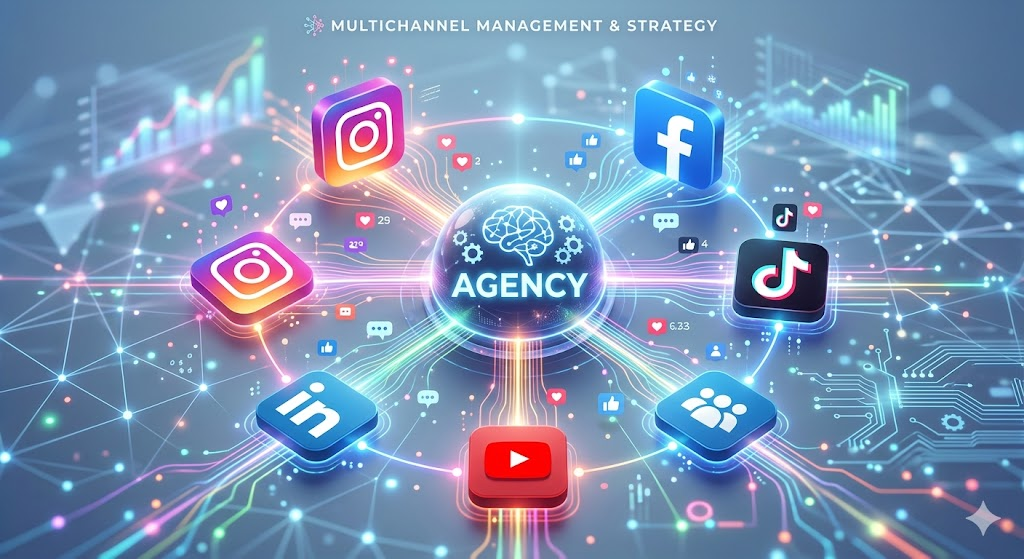
A Social Media Marketing Agency is a specialized company that helps businesses grow their brand, attract customers, and generate sales through social media platforms like Instagram, Facebook, TikTok, YouTube, and LinkedIn. These agencies handle everything — from content creation and posting schedules to paid advertising campaigns and community management. Instead of you learning and managing social media yourself, the agency does it all professionally on your behalf. The goal is simple: build your online presence, engage your target audience, and ultimately drive real business results through the power of social media. Introduction Think about the last time you discovered a brand on Instagram or clicked a Facebook ad that led you to buy something. Behind that experience was a Social Media Marketing Agency working silently in the background — crafting the content, targeting the right audience, and optimizing every detail for maximum impact. Here’s a number that puts it all into perspective: global social media ad spending is projected to reach $317 billion in 2026 (Statista), and that figure is only going up. Social media is no longer just a place to share photos — it is one of the most powerful business growth engines on the planet. Yet most business owners either don’t have the time, the skills, or the team to manage social media professionally. That is exactly where a Social Media Marketing Agency steps in. In this complete guide, you will learn exactly what a social media marketing agency is, what services it provides, how it works step by step, and — most importantly — whether hiring one is the right move for your business in 2026. What Is a Social Media Marketing Agency? (Full Explanation) A Social Media Marketing Agency (SMMA) is a professional service firm that specializes in managing, growing, and monetizing a business’s presence across social media platforms. It is a type of digital marketing agency, but with a laser focus on social channels rather than the broader online ecosystem. The concept of social media agencies began to take real shape around 2010–2012, when platforms like Facebook and Twitter started offering business pages and paid advertising tools. Before that, companies managed social media casually — if at all. As platforms grew more complex and competitive, it became clear that professional expertise was needed. By the mid-2010s, dedicated social media agencies had become a legitimate and booming industry. Today, a social media marketing agency acts as your brand’s online voice. They know the algorithms, the trending content formats, the best posting times, and the ad targeting strategies that turn followers into paying customers. Whether you are a small local bakery, a growing e-commerce brand, or a large corporation, a social media agency tailors its strategy to your specific goals, audience, and budget. In essence, hiring a social media marketing agency means outsourcing one of the most important — and most time-consuming — aspects of modern business growth to a team of trained professionals. What Does a Social Media Marketing Agency Do? (Core Services) A professional social media marketing agency offers a wide range of services. Here is a detailed breakdown of what they typically handle for their clients: Content Creation and Strategy is the heart of what any SMMA does. The agency creates scroll-stopping posts, eye-catching graphics, short-form videos (Reels, TikToks, YouTube Shorts), carousels, and stories that reflect your brand’s personality and speak directly to your target audience. Every piece of content is created with a purpose — to educate, entertain, or convert. Social Media Account Management means the agency takes full ownership of running your profiles. They handle the posting schedule, write captions, research and apply relevant hashtags, and maintain a consistent brand voice across all platforms. You never need to worry about “what to post today.” Paid Social Media Advertising is where agencies often deliver the most measurable results. They set up, run, and optimize paid campaigns on Meta (Facebook & Instagram), TikTok Ads, LinkedIn Ads, Pinterest Ads, and YouTube Ads. This includes audience targeting, A/B testing creatives, managing budgets, and maximizing your Return on Ad Spend (ROAS). Community Management involves actively engaging with your audience — responding to comments, answering DMs, handling customer complaints, and building a loyal community around your brand. A brand that talks to its audience, not just at it, builds deeper trust and loyalty. Influencer Marketing is another key service where agencies identify and collaborate with relevant influencers — from mega-celebrities to micro-influencers — to promote your product or service to highly engaged audiences. Analytics and Reporting ensures you always know what’s working. The agency tracks key performance metrics including reach, impressions, engagement rate, follower growth, click-through rates, conversion rates, and cost-per-result — and delivers clear monthly reports that tie social media activity directly to business outcomes. Platform-Specific Services are also offered, as different platforms require very different expertise. A great Instagram strategy is not the same as a winning LinkedIn strategy. Top agencies have platform specialists who understand the unique nuances of each channel. How Does a Social Media Marketing Agency Work? Step-by-Step Understanding the process from start to finish helps you know exactly what to expect when you hire an agency. Step 1 — Discovery Call & Business Understanding. The agency begins with a deep-dive consultation. They learn about your business, your products or services, your target audience, your competitors, and your marketing goals. This step is critical — a strategy built without understanding your business is a strategy built to fail. Step 2 — Social Media Audit. The agency conducts a thorough audit of your existing social media profiles. They analyze your current follower count, content performance, engagement rates, audience demographics, and competitor activity. This audit identifies what is working, what is not, and where the biggest opportunities lie. Step 3 — Strategy Development. Based on the discovery and audit, the agency builds a customized social media strategy. This includes choosing the right platforms, defining your brand voice and visual identity, setting specific KPIs (Key Performance Indicators), planning the content mix, and outlining the paid advertising approach. Step 4 — Content Planning & Production. The agency creates a content calendar — typically 30 days in advance — mapping out every
The Role of Influencer Marketing in Social Media Management

Influencer marketing has become a core component of modern social media management. As social platforms continue to prioritize authentic engagement and community-driven content, brands increasingly rely on influencers to communicate their messages more effectively. Rather than replacing social media management, influencer marketing strengthens it by extending reach, improving trust, and driving meaningful interactions. This guide explores how influencer marketing fits into social media management, why it matters, and how brands can use it strategically. Understanding Influencer Marketing in the Social Media Ecosystem Influencer marketing refers to collaborations between brands and individuals who have established credibility and audiences on social media platforms. These individuals influence opinions, behaviors, and purchasing decisions through content shared with their followers. Unlike traditional advertising, influencer marketing leverages personal relationships and perceived authenticity. According to widely accepted marketing definitions, influencers can range from celebrities to niche creators with small but highly engaged communities. This diversity makes influencer marketing adaptable to different social media management goals and budgets. Social media management, on the other hand, focuses on planning, creating, publishing, monitoring, and analyzing content across platforms. Influencer marketing integrates into this process as a collaborative content and distribution strategy rather than a standalone tactic. How Influencer Marketing Supports Social Media Management Expanding Organic and Paid Reach One of the primary roles of influencer marketing in social media management is expanding brand reach. Influencers allow brands to access audiences they may not reach through organic posting alone. When influencers share branded content, they introduce the brand to followers who already trust their opinions. This extended reach complements social media managers’ efforts to grow followers and visibility across platforms such as Instagram, TikTok, YouTube, and Facebook. Strengthening Brand Credibility and Trust Trust plays a critical role in social media success. Research and industry insights consistently show that audiences are more receptive to messages delivered by people they follow than by brands directly. Influencers humanize brand communication. Their endorsements often feel more genuine than traditional advertisements, which helps social media managers build credibility and long-term brand trust within online communities. Increasing Engagement Rates Engagement is a core metric in social media management. Influencer-generated content often achieves higher engagement rates than brand-owned content because it feels more relatable and conversational. Likes, comments, shares, and saves generated through influencer collaborations signal relevance to platform algorithms. This increased engagement supports broader social media performance and content visibility. The Strategic Role of Influencers in Content Creation Authentic Content Development Influencers are content specialists who understand platform-specific formats and audience preferences. By collaborating with influencers, social media managers gain access to content that aligns naturally with platform trends and user behavior. Rather than highly polished promotional material, influencer content often prioritizes storytelling, demonstrations, and personal experiences. This approach aligns with social media best practices focused on authenticity. Supporting Brand Storytelling Influencer marketing enhances brand storytelling by allowing multiple voices to communicate a consistent message. Influencers can interpret brand values in their own style while maintaining messaging guidelines set by social media managers. This multi-creator approach allows brands to tell richer stories across different platforms and audience segments. Influencer Types and Their Role in Social Media Strategy Nano and Micro Influencers Nano and micro influencers typically have smaller audiences but higher engagement rates. They are especially valuable for community-focused social media management strategies and niche markets. Their followers often view them as peers, making their recommendations feel highly trustworthy. Macro and Mega Influencers Macro and mega influencers offer large-scale visibility and are useful for awareness campaigns and product launches. While engagement rates may be lower compared to smaller influencers, their reach supports top-of-funnel social media objectives. Social media managers often balance large and small influencers to achieve both reach and engagement. Influencer Marketing and Audience Targeting One of the strongest advantages of influencer marketing is precision targeting. Influencers build audiences around specific interests, lifestyles, or industries. This allows social media managers to reach highly relevant user groups without relying solely on paid advertising algorithms. Targeted influencer collaborations help brands communicate the right message to the right audience at the right time. Measuring Performance and ROI in Social Media Management Influencer marketing contributes measurable value to social media management. Metrics commonly used include: Engagement rates Follower growth Traffic and referral data Conversions and sales Brand sentiment and awareness Modern social media management tools allow teams to track influencer performance alongside owned content, making influencer marketing part of a data-driven strategy rather than an experimental tactic. Long-Term Community Building Through Influencers Beyond short-term campaigns, influencer marketing supports long-term community building. Ongoing partnerships with influencers help brands maintain consistent visibility and foster loyalty within social media communities. This relationship-driven approach aligns with the broader goal of social media management: building sustainable, engaged audiences rather than one-time interactions. Challenges and Ethical Considerations While influencer marketing offers significant benefits, social media managers must also address challenges such as: Maintaining authenticity Ensuring disclosure and transparency Avoiding misalignment between influencer values and brand identity Clear guidelines, ethical practices, and compliance with platform and advertising regulations are essential for sustainable influencer strategies. The Future of Influencer Marketing in Social Media Management Industry research suggests that influencer marketing will continue to grow as platforms prioritize creator-driven content. Influencers are increasingly integrated into social media planning, content calendars, and performance analysis. Rather than being a trend, influencer marketing has become a foundational element of effective social media management strategies. Final Thoughts Influencer marketing plays a vital role in modern social media management by enhancing reach, credibility, engagement, and audience targeting. When strategically integrated, it supports content creation, storytelling, and measurable performance outcomes. For brands seeking to build trust and relevance in competitive digital environments, influencer marketing is no longer optional—it is a strategic necessity within social media management.