10 Smart Ways to Use AI for Faster, Smarter SEO Results in 2026
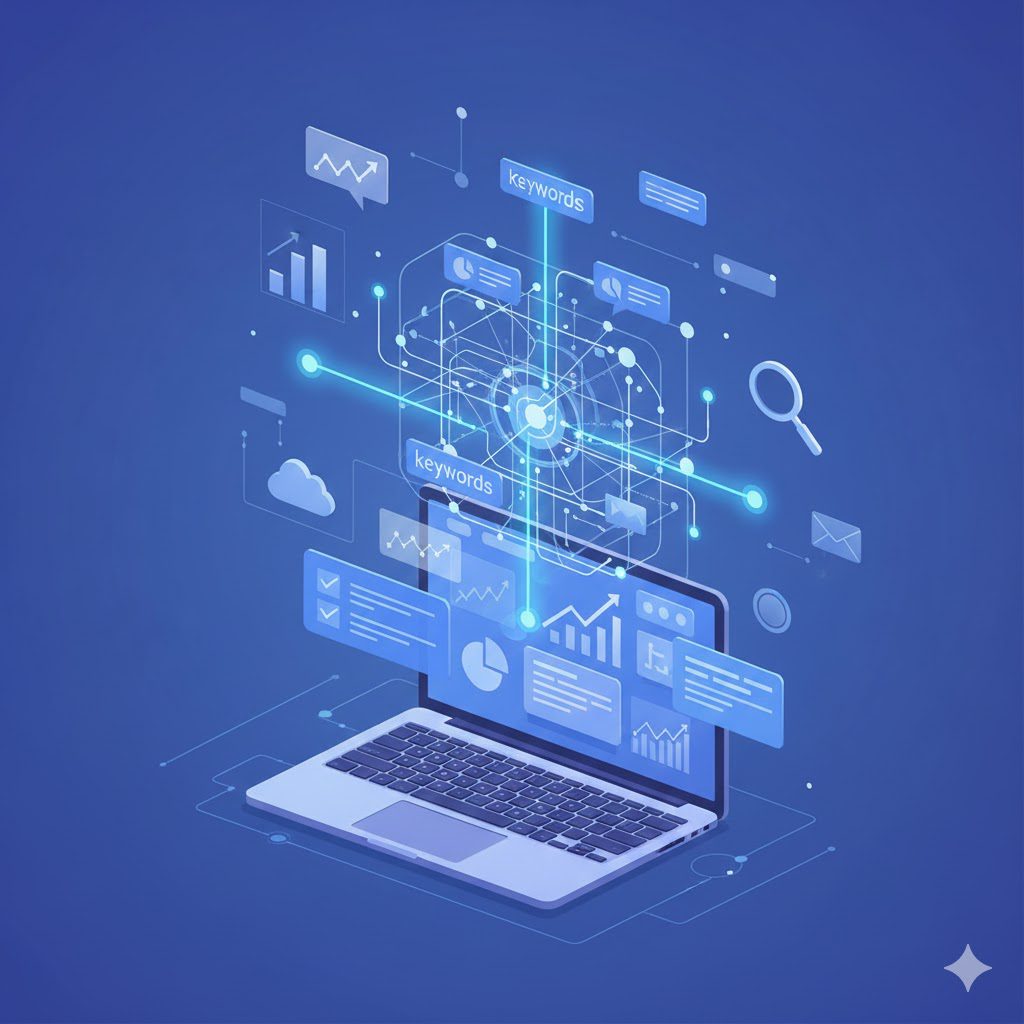
Introduction: SEO Isn’t Broken—It’s Just Evolving SEO didn’t suddenly become harder. It became smarter. Search engines now understand context, intent, and meaning at a level that manual SEO alone can’t match. That’s where AI steps in. Today, businesses that use artificial intelligence in SEO don’t just rank faster. They make better decisions. They waste less time. They scale without burning out their teams. In this guide, you’ll learn 10 smart ways to use AI for faster, smarter SEO results without sounding robotic or cutting corners. You don’t need to be technical. You don’t need dozens of tools. You just need to understand how AI fits into modern search. Think of this as a conversation with a friend who’s already tested what works—and what doesn’t. Why AI for SEO Is a Competitive Advantage in 2025 Search engines already rely on machine learning for SEO. They analyze billions of signals, detect patterns, and refine results constantly. When your SEO workflow stays manual, you fall behind without realizing it. AI-powered SEO tools help you: Understand search intent instead of guessing Use data-driven SEO instead of opinions Automate repetitive work without losing control Focus on strategy, not spreadsheets This isn’t about replacing humans. It’s about removing friction. 1. 10 Smart Ways to Use AI for Faster, Smarter SEO Results With Search Intent Analysis Search intent analysis is where modern SEO begins. Keywords alone no longer tell the full story. Using natural language processing, AI studies how users phrase queries and groups them by intent. Informational. Commercial. Transactional. Navigational. For example, someone searching “how to use AI for SEO” wants guidance, not a product page. AI detects that instantly. Why this matters: Improves content relevance scoring Reduces bounce rates Increases engagement and improved CTR Most competitors still rely on gut instinct. AI relies on patterns. 2. 10 Smart Ways to Use AI for Faster, Smarter SEO Results Using AI Keyword Discovery AI keyword discovery goes far beyond search volume. Instead of focusing on one keyword at a time, AI analyzes entity-based SEO relationships and uncovers semantic variations users naturally search for. This includes: Long-tail, high-intent phrases Related questions Google expects answered Topic clusters that signal authority AI-driven keyword research techniques help you build topical depth rather than chasing isolated rankings. Think of it this way. Traditional research is fishing with one hook. AI casts a smart net. 3. 10 Smart Ways to Use AI for Faster, Smarter SEO Results With Automated Content Briefs Writing without a plan wastes time. Automated content briefs solve that problem fast. AI-powered SEO tools analyze top-ranking pages and generate briefs that include: Key subtopics and entities Ideal content depth SERP feature opportunities These AI-generated outlines reflect ranking signal analysis, not guesswork. What others miss is intent alignment. AI ensures your content matches what search engines already reward. 4. AI Content Optimization That Improves Quality, Not Just Keywords AI content optimization shouldn’t rewrite your voice. It should sharpen it. AI evaluates content quality using signals like readability, topical depth, and semantic coverage. Then it suggests improvements. This includes: Clarifying weak sections Improving flow and structure Enhancing semantic search optimization Used correctly, AI becomes your editor, not your author. 5. 10 Smart Ways to Use AI for Faster, Smarter SEO Results Through Content Gap Analysis Content gap analysis shows what your site is missing. AI compares your content with competitors and identifies: Topics you haven’t covered Questions users expect answered Opportunities for SERP feature optimization Instead of publishing more content, you publish smarter content. That’s how you achieve faster SEO results with fewer resources. 6. AI-Powered Internal Linking That Strengthens Topic Authority Internal linking often gets ignored because it’s tedious. AI-powered internal linking changes that. AI evaluates your site structure and recommends links based on relevance and topic clustering. Benefits include: Stronger topical authority Better crawl budget optimization Improved user navigation Search engines love clarity. AI helps you create it. 7. 10 Smart Ways to Use AI for Faster, Smarter SEO Results With Predictive Analytics SEO forecasting models powered by predictive analytics show what’s likely to happen next. AI analyzes historical data, ranking trends, and algorithm pattern recognition to predict outcomes. You can: Forecast traffic growth Prioritize pages with the highest ROI Avoid risky changes This transforms SEO from reactive to proactive. 8. Automated Technical SEO Audits Without the Headaches Technical SEO often feels overwhelming. Automated technical SEO audits simplify it. AI scans sites for: Crawl errors Indexing issues Page speed problems It then prioritizes fixes based on impact. Some tools even use log file analysis with AI to understand how search bots crawl your site. Less panic. More control. 9. AI-Assisted Link Building That Feels Personal AI-assisted link building doesn’t spam inboxes. It personalizes outreach. AI analyzes content relevance, identifies real prospects, and suggests tailored messaging. This leads to: Higher response rates Better-quality backlinks Reduced manual workload Link building becomes relationship-driven again. 10. 10 Smart Ways to Use AI for Faster, Smarter SEO Results With Workflow Automation SEO workflow automation ties everything together. Using SEO automation software, agencies and teams streamline: Reporting Content updates Performance tracking This enables scalable SEO processes without chaos. AI SEO workflows for agencies free teams to focus on strategy instead of busywork. AI vs Traditional SEO: What Competitors Still Get Wrong Many competitors either overuse AI or fear it completely. Here’s what they miss: AI doesn’t replace expertise—it enhances it Quality still matters more than speed Search engines reward relevance, not shortcuts This article goes deeper by focusing on intent, entities, and outcomes—not tool hype. That’s how you aim for top 3 rankings instead of chasing trends. Tools That Power Modern AI SEO Strategies Popular AI-powered SEO tools support different stages of optimization. Examples include: ChatGPT for SEO ideation and analysis Semrush AI tools and Ahrefs AI features for research Surfer SEO, Clearscope, and MarketMuse for content optimization Jasper AI for content workflows The best AI tools for SEO optimization aren’t about quantity. They’re about fit. FAQs What are 10 smart ways to use AI
SEO or PPC? How to Choose the Right Strategy in 2026
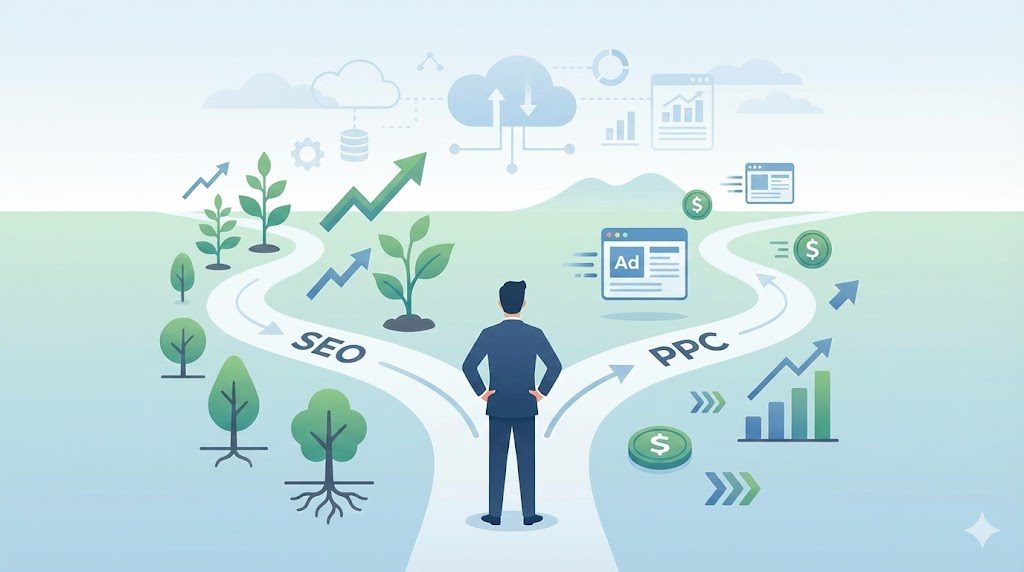
If you’re growing a business online, one question always shows up sooner or later: how to choose between SEO and PPC.Both promise traffic. Both can bring leads. And both can quietly drain your budget if you pick the wrong one at the wrong time. Think of this decision like choosing transportation. SEO is walking toward a destination that keeps getting closer. PPC is grabbing a taxi that gets you there fast. Neither is wrong. The problem starts when you choose speed when you need endurance—or patience when you need urgency. This guide breaks it all down in plain language. You’ll learn how each channel works, where competitors go wrong, and how to decide based on goals, timelines, and budget—not guesswork. Understanding SEO and PPC Before You Choose Before comparing tactics, you need clarity. Many businesses struggle because they treat SEO and PPC as interchangeable. They aren’t. What SEO Really Does for Your Business SEO helps your website appear in organic search results when people look for answers, services, or products. Instead of paying for every click, you earn visibility by proving relevance and credibility over time. Good SEO focuses on: Creating helpful, search-driven content Improving site speed and usability Earning trust through links and brand mentions Over time, SEO turns your website into a digital asset. Traffic keeps coming even when campaigns pause. According to Backlinko, the first organic Google result gets nearly 28% of all clicks, showing how powerful top rankings can be. What PPC Actually Brings to the Table PPC advertising places your message in front of users instantly. You pay when someone clicks. That’s the deal. This model shines when: You need traffic right now You’re launching something new You want tight control over targeting However, the moment spending stops, visibility disappears. PPC is more like renting attention than owning it. Average Google Ads cost per click sits around $2–$3, although competitive industries often pay much more. How to Choose Between SEO and PPC Based on Your Goals Many guides oversimplify this choice. They say “SEO is long term” and “PPC is fast.” That’s true—but incomplete. Let’s go deeper. Choose SEO If You’re Playing the Long Game SEO works best when: You want sustainable growth Your audience researches before buying You’re building brand authority For example, a consultant writing helpful guides builds trust slowly. Over time, those articles attract qualified leads without constant ad spend. SEO compounds. Each strong page supports the next. Choose PPC If Timing Is Everything PPC makes sense when: You need leads immediately You’re running limited-time offers Demand spikes seasonally An ecommerce store clearing inventory doesn’t have months to wait. Ads let them move fast. Speed has a price, though. Without careful targeting, costs climb quickly. Budget Reality Check: What Most Competitors Get Wrong Here’s what many articles don’t tell you. Most businesses fail not because SEO or PPC doesn’t work—but because they misalign budget with expectations. SEO Costs What You Don’t See SEO rarely charges per click. However, it still costs money: Content creation Technical fixes Tools and expertise The payoff arrives later, but it’s often stronger. PPC Costs What You Feel Immediately With PPC, spending is obvious. Every click shows up in reports. That visibility is useful, but it also creates pressure. When results slow down, budgets often rise to compensate. This is where many competitors panic and overspend. Traffic Quality: Not All Clicks Are Equal Traffic volume means nothing without intent. SEO Traffic and User Trust People trust organic results more than ads. They see them as earned, not bought. That trust matters. Research from Smart Insights shows organic search drives over half of all website traffic, while paid search contributes far less.https://www.smartinsights.com/search-engine-marketing/seo-statistics/ SEO visitors often: Spend more time on site Explore multiple pages Convert after repeated exposure PPC Traffic and Buying Intent PPC attracts users ready to act. Someone searching “buy CRM software today” likely wants solutions now. That urgency explains why PPC often converts faster—even if fewer people click overall. Conversion Rates: Short-Term Wins vs Long-Term ROI Conversion rate depends on industry, intent, and experience. Still, patterns emerge. PPC Conversions Happen Faster Ads work well for: Product launches Emergency services High-intent searches However, cost per conversion rises in competitive markets. SEO Conversions Grow Over Time SEO conversions start slower. Yet as authority builds, conversion rates often improve. A study by First Page Sage shows SEO outperforms PPC in conversion rates across many industries over time. Longevity: Which Channel Keeps Paying You Back? This question alone answers how to choose between SEO and PPC for many businesses. SEO Builds Durable Assets Once a page ranks, it can generate traffic for years with updates and maintenance. That’s leverage. PPC Stops the Moment You Stop Paying No budget means no traffic. Simple as that. PPC is powerful—but temporary. The Smarter Strategy Most Competitors Miss: Using Both Together Here’s where this article delivers extra value. Many competitors frame SEO and PPC as rivals. Smart marketers treat them as teammates. How PPC Improves SEO Reveals high-converting keywords Tests messaging before content creation Identifies audience pain points How SEO Reduces PPC Costs Improves landing page quality scores Builds brand familiarity Lowers dependency on paid traffic Together, they create balance. Speed plus sustainability. Decision Framework: How to Choose Between SEO and PPC Step by Step Use this simple checklist: Timeline: Do you need results now or later? Budget: Can you afford ongoing ad spend? Competition: How crowded is your market? Customer journey: Do buyers research or buy fast? Growth goals: Short-term sales or long-term authority? Your answers guide the choice. Common Myths That Confuse the Decision “SEO Is Free” It isn’t. It’s an investment. “PPC Is Only for Big Companies” Small businesses use PPC every day—carefully. “You Must Pick One” You don’t. FAQs About Choosing SEO and PPC How to choose between SEO and PPC for a small business? Start with SEO if budgets are tight and timelines are flexible. Add PPC for quick wins once messaging is clear. Is SEO or paid search
Google Maps Alternatives in 2026: Better Privacy, Offline Maps, and Smarter Features
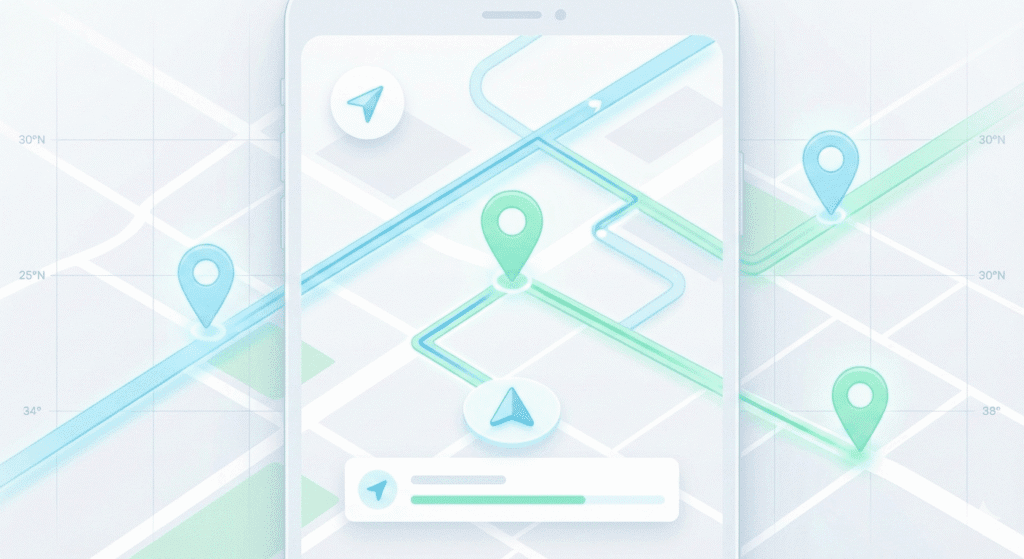
You probably open Google Maps without thinking. New coffee shop. A friend’s apartment. A quick weekend drive. Tap, go, done. Still, Google Maps alternatives matter when your needs shift. Maybe you travel where the signal drops. Maybe you want a cleaner map that doesn’t feel noisy. Or maybe you just like having a solid Plan B. Let’s break down the best options and help you pick the right one. Why People Switch to Other Map Apps Privacy: When location tracking feels a bit too personal Location history can reveal more than you expect. Your routines. Your hangouts. Even the places you visit often. Some apps keep things lighter by limiting tracking or doing more processing on your device. Others lean harder on personalization, which can mean more data collection. If privacy matters to you, it helps to know what trade-off you’re making. Offline navigation: When your signal disappears at the worst time If you’ve ever watched your map load forever in a new neighborhood, you know how stressful that is. Offline maps fix it. Download an area ahead of time, then navigate without Wi-Fi, mobile data, or roaming charges. Specialized tools: Because one app can’t do everything A hiker needs trail layers and elevation. A truck driver needs vehicle-friendly routing. A commuter wants transit timing. And sometimes you just want a simple map that gets you there without extra clutter. Avoiding single-app dependence Apps change features. Policies shift. Outages happen. When you keep another option installed, you don’t get stuck. Quick Pick Guide: Choose the Right App Fast Here’s a simple cheat sheet to match apps to real-life situations: Offline travel: MAPS.ME, HERE WeGo, Sygic, OsmAnd Live traffic alerts: Waze Outdoor adventure: OsmAnd, Gaia GPS Public transit: Citymapper Clean pro driving: TomTom GO Top 10 Map Apps You Can Use in 2026 1. MAPS.ME (Best for offline travel) MAPS.ME is a popular choice when you want to download maps once and use them anywhere. It’s especially handy if you travel internationally and don’t want to rely on roaming data. Good for: travelers, backpackersAvailable on: iOS, Android Key features Offline maps for large regions Helpful points of interest for sightseeing Walking directions in many cities 2. HERE WeGo (Best for city navigation) If you bounce between walking, transit, and driving, HERE WeGo usually feels like a strong all-rounder. It’s designed for city movement and quick route switching. Good for: commuters, city travelersAvailable on: iOS, Android Key features Offline map downloads in many regions Clear walking guidance Transit routing in supported cities 3. Waze (Best for real-time road alerts) Waze works like a driver community. People report hazards, congestion, and slowdowns, then the app helps you reroute quickly. Good for: daily drivers, commutersAvailable on: iOS, Android Key features Live incident reports and reroutes Traffic-aware route suggestions Alerts for hazards and road issues 4. MapQuest (Classic and straightforward) MapQuest keeps things simple. If you want a familiar navigation experience without extra bells and whistles, it still holds up. Good for: everyday navigationAvailable on: iOS, Android Key features Turn-by-turn directions Route planning for road trips Traffic overlays in many areas 5. OsmAnd (Best for detailed offline maps) OsmAnd is a favorite for people who like detail. It’s great when you care about terrain, elevation, and outdoor-friendly routes. Good for: hikers, cyclists, off-road exploringAvailable on: iOS, Android Key features Offline vector maps Terrain and contour options Hiking and cycling routes with elevation data 6. CoPilot GPS (Best for vehicle-specific routing) CoPilot GPS focuses on drivers who need practical routing tools. It’s often used by people who travel long distances or drive larger vehicles. Good for: truckers, RV drivers, business travelAvailable on: iOS, Android Key features Offline navigation and turn guidance Vehicle-based route customization Route optimization for longer trips 7. Apple Maps (Best for iPhone users) Apple Maps is built into iOS, so it feels smooth and well-integrated. It’s especially nice for walking directions, Siri help, and day-to-day city navigation. Good for: iPhone usersAvailable on: iOS Key features Siri voice navigation Transit updates in supported regions Walking and cycling routing 8. Sygic GPS Navigation (Best premium driving features) Sygic leans into a polished driving experience. If you like 3D maps and extra safety tools, it can feel like an upgrade. Good for: frequent driversAvailable on: iOS, Android Key features Offline navigation Multi-stop trip planning Driver assistance and alerts 9. TomTom GO Navigation (Best for accuracy) TomTom GO is a strong pick when you want clear lane guidance and a distraction-free interface. It often appeals to drivers who prioritize precision. Good for: drivers who want clean, accurate routingAvailable on: iOS, Android Key features Lane guidance to reduce missed turns Traffic updates and route adjustments Regular map refreshes 10. Citymapper (Best for public transit) Citymapper shines in big cities. It helps you combine trains, buses, walking, and bikes without doing mental math at every transfer. Good for: transit users, urban travelersAvailable on: iOS, Android Key features Multi-modal trip planning Real-time transit updates in supported areas Step-by-step guidance during your trip Bonus Apps Worth Trying OpenStreetMap (OSM) OpenStreetMap isn’t one app. It’s a community-built map platform that powers many navigation tools. If you like open data and customization, it’s a great ecosystem to explore. Gaia GPS Gaia GPS is built for outdoor planning and backcountry navigation. It’s ideal when you want topo layers, trail planning, and offline reliability. How to Choose the Right App (Without Overthinking It) Think of it like shoes. You don’t wear hiking boots to a wedding. Same deal here. Want offline travel maps? Start with MAPS.ME or HERE WeGo. Need outdoor detail? Try OsmAnd or Gaia GPS. Drive in traffic daily? Waze usually wins for live alerts. Use transit all the time? Citymapper makes city travel easier. Prefer iPhone simplicity? Apple Maps fits naturally. Also, consider keeping two apps. One for everyday use, one for backup. That small habit can save you a lot of stress. FAQs What are the best Google Maps alternatives for offline travel? MAPS.ME, HERE WeGo, Sygic, and OsmAnd are
The Beginner’s Guide to Programmatic Advertising
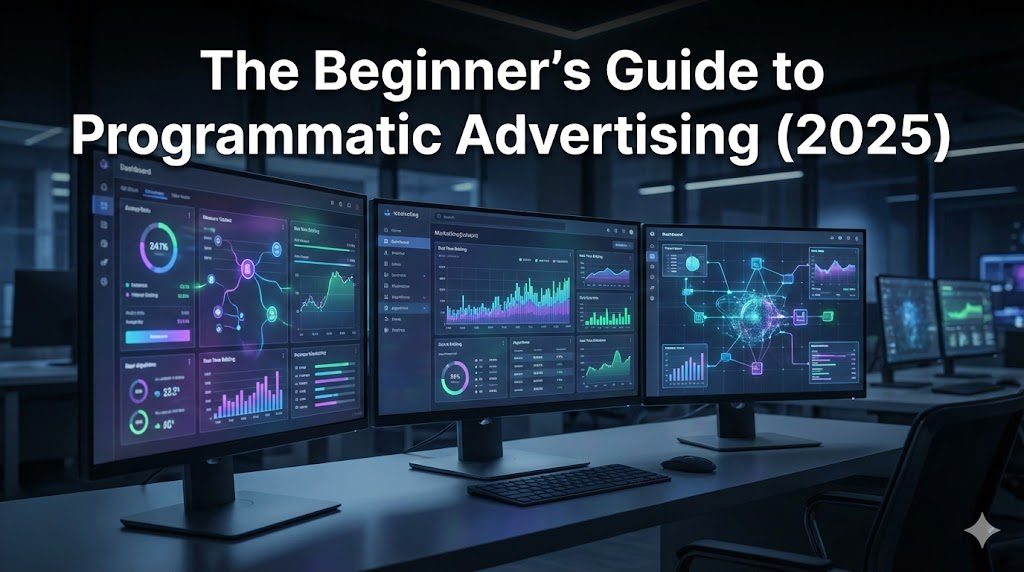
A friendly, practical roadmap that helps beginners understand programmatic advertising, how it works, and how to use it to boost ROI. Programmatic advertising has reshaped digital marketing so quickly that many beginners feel like they’re watching a game in fast-forward. One moment you’re manually placing ads on publishers, and the next you’re learning how algorithms, data signals, and real-time bidding decide everything in milliseconds. This beginner’s guide to programmatic advertising breaks each moving part into simple, understandable ideas so you can use automation confidently instead of feeling overwhelmed by it. Whether you’re running display ads, testing new video formats, or aiming to boost brand awareness, programmatic media buying offers a smarter, faster path to reaching your audience. What Is Programmatic Advertising? (Programmatic Advertising Explained for Beginners) A simple definition you can actually use Programmatic advertising is the automated buying and selling of online ad space using software, data, and machine learning. Instead of negotiating placements manually, programmatic platforms evaluate individual impressions and decide the best ad to show at the perfect moment. The system analyzes data signals—behavior, location, context, device type—and uses digital advertising automation to place ads where they’re most likely to perform well. In simple terms, programmatic advertising explained:It’s a smarter, faster way to buy digital ads using automation instead of guesswork. Why programmatic is replacing traditional ad buying Traditional ad buying relies on insertion orders, emails, long back-and-forth negotiations, and fixed placements. Programmatic eliminates the slow parts and replaces them with automated decision-making. Real-time bidding (RTB) evaluates each impression instantly, so your budget flows toward high-quality traffic instead of wasted impressions. This shift improves CPM efficiency, increases click-through rates, and delivers better conversion tracking because your ads land in front of people who actually care. How programmatic advertising fits into modern PPC and digital marketing PPC campaigns target people searching for something. Programmatic campaigns target people based on intent signals long before they type into a search bar. That’s why many marketers blend PPC with programmatic to create a full-funnel strategy. Programmatic display ads support awareness, retargeting handles mid-funnel engagement, and automated ad buying keeps every campaign running efficiently across apps, websites, CTV ads, and native placements. Real-world examples that make the concept click Imagine selling running shoes. With traditional ads, you’d choose a few websites and hope for the best. With programmatic, algorithms find users reading fitness blogs, watching marathon videos, comparing shoes, or browsing sports stores—all in real time. You reach them while interest is fresh, which dramatically improves response. How Programmatic Advertising Works Behind the Scenes The real-time bidding (RTB) auction process explained step-by-step RTB works like the world’s fastest auction. When a webpage loads, an ad request travels through a supply-side platform (SSP) into an ad exchange, where demand-side platforms (DSPs) bid for the impression. The highest bidder wi, ns and the ad appears instantly. It takes less time than blinking. How algorithms, machine learning, and automation make smarter buying decisions Machine learning in advertising analyzes thousands of signals—past browsing, location, content relevance, device type, and predicted intent. It learns from performance, reallocates budget automatically, and improves your programmatic ad strategy without constant manual tweaks. Every impression makes the system smarter. The relationship between advertisers, publishers, DSPs, SSPs, and ad exchanges Advertisers use DSPs to run campaigns. Publishers use SSPs to sell inventory. Ad exchanges connect both sides. DMPs and CDPs enrich audience data while ad servers deliver and track impressions. Together, they form an automated ecosystem that keeps programmatic campaigns efficient and scalable. Why Programmatic Advertising Matters (Especially for Beginners) Hyper-targeting that reaches the right people at the right moment Programmatic targeting options include behavioral targeting, contextual targeting, geo-fenced targeting, and retargeting with programmatic ads. Instead of showing ads to everyone, you reach users most likely to engage, which boosts CTR and increases conversions with less waste. Higher efficiency and lower wasted ad spend Since programmatic evaluates impressions individually, your budget goes toward relevant audiences. Algorithms automatically eliminate low-value placements, optimize CPMs, and move spending toward high-performing traffic without you micromanaging the campaign. Better personalization across devices and channels Users bounce between phones, laptops, smart TVs, and apps all day. Programmatic follows these journeys and delivers consistent messaging. Whether it’s programmatic video ads, mobile programmatic advertising, audio ads, or display formats, personalization stays intact. How AI is transforming programmatic campaigns AI powers dynamic creative optimization, predictive targeting, fraud detection, and cookieless identity solutions. It’s redesigning how advertisers approach segmentation and measurement, which makes programmatic advertising for beginners far easier than it was five years ago. Core Components of Programmatic Advertising (DSPs, SSPs, DMPs & More) Demand-side platforms (DSPs): how advertisers buy smarter DSPs let advertisers set budgets, targeting rules, and bidding strategies while algorithms handle the rest. They’re the command center of programmatic media buying. Supply-side platforms (SSPs): how publishers maximize revenue Publishers use SSPs to sell ad inventory efficiently. SSPs expose impressions to multiple bidders, increasing revenue opportunities. Ad exchanges: the marketplace where everything happens Ad exchanges connect DSPs and SS, Ps, allowing them to trade impressions in real time. It’s a digital marketplace running millions of auctions every second. Data management platforms (DMPs): where targeting becomes powerful DMPs collect and organize user data, which fuels behavioral targeting and advanced segmentation. Customer data platforms (CDPs): the next evolution CDPs unify first-party data across channels, enabling deeper personalization and stronger lookalike modeling. Ad networks vs ad exchanges: clearing up the confusion Ad networks bundle inventory and resell it, which limits flexibility. Programmatic exchanges evaluate every impression individually, which improves accuracy. Ad servers: the delivery engine no one sees Ad servers store, deliver, and track ads across placements, ensuring accurate reporting and viewability. Types of Programmatic Advertising Every Beginner Should Know Real-time bidding (RTB) Open auctions with dynamic bidding. Private marketplaces (PMPs) Invite-only auctions offering premium placements. Programmatic direct / guaranteed Fixed deals with guaranteed inventory. Programmatic display ads Standard banners across websites and apps. Programmatic video ads Short- and long-form videos across streaming platforms. Programmatic audio ads Spoken ads on podcasts
How to Boost Your Business with SEO: Top SEO Service Companies in Ajman
In today’s digital world, simply having a website isn’t enough. If you want customers to find your business on Google, maps, or social media, you need SEO (Search Engine Optimization). SEO makes it easier for search engines to locate your website, and the better your SEO, the higher your site ranks. This leads to more clicks, more calls, and ultimately, more business. However, many businesses struggle with SEO because they don’t know how to do it right. That’s where SEO companies come in. We’ve compiled a list of the best SEO service companies in Ajman to help boost your online presence and grow your business. How to Choose the Best SEO Service Company Not all SEO companies are created equal. Some make big promises but fail to deliver real results. A good SEO company focuses on understanding your business, auditing your website, and explaining how they can improve your rankings. They will not promise quick fixes. Instead, they will provide clear action steps, timelines, and progress updates. They focus on making your website fast, mobile-friendly, and optimized for local searches. The best SEO companies in Ajman do not overcomplicate things; they get results. 1. SalesBouncer SalesBouncer is a dedicated SEO company focused on improving your website’s visibility and ranking. They begin by auditing your website, fixing issues like slow loading times and broken links, and ensuring your site is optimized for mobile devices. Their team also works on keyword optimization and technical fixes to ensure your site is fully SEO-friendly. SalesBouncer provides regular updates without technical jargon, so you can easily understand the progress. They work with you closely to ensure your website gains the visibility it deserves. 2. Waince Web Tech Based in Ajman, Waince Web Tech specializes in building websites that load quickly and work seamlessly on all devices. They embed SEO into the website development process, ensuring that Google can easily index and rank your site. For businesses that already have a website, Waince Web Tech offers comprehensive SEO audits and addresses any issues affecting rankings. They prioritize measurable results and focus on continuous improvement to help your business succeed. 3. DigiMark DigiMark is a well-established digital marketing agency that has been operating since 2012. They offer a range of services, including SEO, web development, content creation, and social media management. DigiMark tailors its SEO strategies to meet your business goals, whether you’re looking to boost traffic, improve local visibility, or target competitive keywords. Their team is always up-to-date with the latest SEO trends and strategies, ensuring that your business stays ahead of the competition. 4. Intero Digital Intero Digital takes a data-driven approach to SEO. They rely on analytics to guide every decision, ensuring that changes to your website are based on solid data, not guesswork. Their transparent process includes regular updates and results tracking, making it easy to see the impact of their work. If your website needs technical SEO improvements or a complete strategy overhaul, Intero Digital is the ideal choice. 5. Outpace Outpace is an SEO agency that puts clients first. They begin by learning about your business, target audience, and any existing website challenges. After gathering this information, they create a tailored SEO strategy that includes keyword research, link building, and local SEO. Outpace’s clear communication and dedication to explaining the “why” behind each SEO tactic has helped many businesses see significant increases in traffic within just a few months. 6. Boostability Boostability is a great choice for small businesses that need affordable SEO services. They specialize in organic SEO—helping websites rank higher without the need for paid ads. Boostability provides keyword research, website optimization, backlink building, and regular progress updates. This company is perfect for small businesses trying SEO for the first time, although larger enterprises may need more advanced services for complex SEO challenges. 7. Digital Dot Digital Dot is known for delivering fast results while maintaining high-quality SEO standards. Their process begins by addressing any technical issues on your website, followed by keyword targeting and content optimization. Digital Dot ensures that every project stays on track and delivers measurable SEO improvements. If you’re unsure where to start with SEO, Digital Dot’s team will walk you through each step and ensure that your website gets the attention it needs to succeed. 8. Search Engine People Search Engine People is an agency focused on long-term SEO success. Rather than promising quick results, they concentrate on building sustainable rankings over time. Their strategies include content planning, understanding search intent, and conversion tracking—not just focusing on clicks. This makes Search Engine People an excellent choice for businesses that view SEO as a long-term part of their growth strategy. 9. Bird Marketing Bird Marketing offers a comprehensive SEO service that covers everything from on-page SEO and content creation to technical SEO and link building. They also specialize in paid search, offering businesses the option to combine SEO with paid ads for a more well-rounded digital strategy. Bird Marketing is praised for its ability to get results consistently and has helped numerous businesses reach the top of Google’s search results. 10. Aspectus Aspectus combines SEO with public relations (PR), helping businesses not only rank higher but also get featured in media outlets, blogs, and industry websites. This dual approach builds credibility with customers and earns valuable backlinks (a ranking factor Google loves). Aspectus is ideal for B2B companies or niche businesses that need both SEO and media exposure to succeed. Conclusion Ajman is growing rapidly, and as more businesses enter the market, it’s important for your business to stand out online. If your website isn’t visible on Google or other search engines, you’re missing out on potential customers. SEO is a long-term strategy, but with the right SEO company, you can increase your online visibility, generate more leads, and grow your business. The SEO companies listed here have a proven track record of helping businesses succeed in Ajman, and they’re ready to help your business thrive as well. Frequently Asked Questions (FAQs 1. How
SEO Services for Restaurants: Boost Visibility & Customers
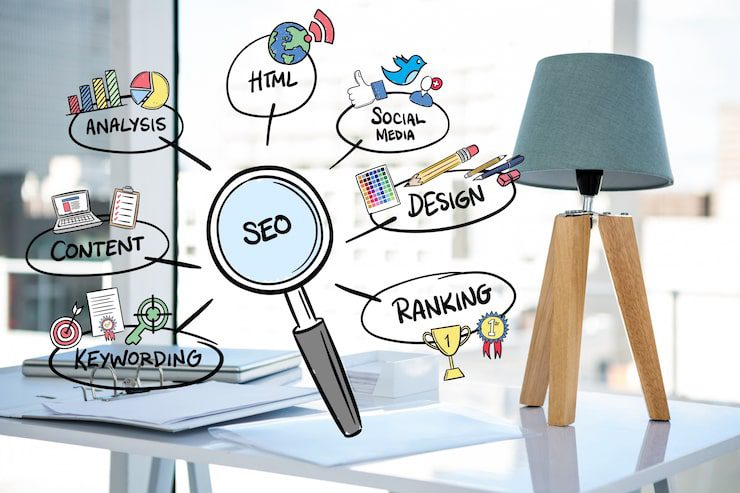
In today’s digital world, having an online presence is crucial for the success of your restaurant. Search Engine Optimization (SEO) plays a key role in ensuring that potential diners can find you when searching for restaurants online. Whether you run a small café or a large dining establishment, an effective SEO strategy can significantly improve your visibility, increase website traffic, and ultimately, boost reservations. In this guide, we’ll explore the importance of restaurant SEO and how it can help your business grow. What is SEO, and Why is it Crucial for Restaurants? SEO, or Search Engine Optimization, is the process of optimizing your website so that it ranks higher on search engines like Google. When people search for restaurants online, SEO helps your restaurant’s website appear in the search results, making it easier for potential customers to discover you. A solid SEO strategy ensures that your restaurant appears at the top of search results when people search for relevant terms like “best pizza in London” or “restaurants near me.” Without SEO, your restaurant could remain hidden from the customers actively searching for places to eat. SEO is not only about increasing visibility; it also helps build trust, engage customers, and drive more foot traffic to your restaurant. Local SEO: The Key to Attracting Nearby Diners Local SEO is one of the most important aspects of restaurant SEO. It helps your restaurant show up in search results for location-based queries, such as “best restaurants in New York.” Since most customers are likely to search for restaurants near them, it’s crucial to optimize for local searches. Start by claiming and optimizing your Google My Business profile (now known as Google Business Profile). Ensure that all your restaurant’s details—such as name, address, phone number (NAP), hours of operation, and menu—are accurate and consistent across the web. A complete and optimized Google Business Profile improves your chances of appearing in local search results, particularly when customers search for “restaurants near me.” How Website Design Affects Restaurant SEO Your website’s design plays a significant role in your SEO rankings. Google values user experience, which means that your website should be easy to navigate, mobile-friendly, and fast-loading. A well-designed website keeps visitors engaged, reducing bounce rates and improving your SEO rankings. Make sure that your website includes clear navigation, especially for key information such as the menu, contact details, and booking options. A seamless user experience encourages visitors to stay on your site longer, increasing the likelihood that they will make a reservation or visit your restaurant. Optimizing Keywords: How to Use the Right Words for Your Restaurant Keywords are a fundamental aspect of SEO. These are the search terms that people use to find specific information online. For restaurants, using the right keywords means targeting phrases like “Italian restaurant in [city]” or “best sushi near me.” To increase your chances of appearing in relevant searches, incorporate location-based keywords naturally into your website content, including titles, headings, and descriptions. For example, if your restaurant specializes in Italian cuisine in New York, include keywords like “best Italian restaurant in New York City.” This helps Google understand what your restaurant offers and where you are located, making it easier for users to find you. The Power of Reviews: How Customer Feedback Boosts SEO Online reviews are crucial for local SEO. Google and other search engines trust businesses with more positive reviews, ranking them higher in search results. Encourage satisfied customers to leave reviews on platforms like Google and Yelp. Responding to reviews, both positive and negative, shows that you care about your customers’ experiences and helps build trust. A high volume of positive reviews can also influence potential customers’ decisions, increasing the likelihood that they’ll choose your restaurant over competitors. More reviews improve your SEO rankings and strengthen your restaurant’s credibility. How SEO Can Help You Outrank Your Competitors SEO is your chance to outshine your competition. In the competitive restaurant industry, where many businesses are already investing in SEO, ranking higher than your competitors can make a big difference in attracting more customers. Studies show that the top five search results account for 67.6% of all clicks. So, the higher your restaurant ranks, the more website traffic and customers you’ll receive. If your competitors aren’t focusing on SEO, you have a fantastic opportunity to take the lead. By optimizing your website and following best SEO practices, you can dominate search results and capture customers who would otherwise go to your competitors. SEO Tips for Restaurants to Boost Online Visibility Here are some additional SEO tips to help your restaurant improve its online presence: Why Choose Sales Bouncer for Restaurant SEO? Looking to attract more customers to your restaurant through expert SEO? Sales Bouncer, a trusted name in digital marketing, delivers proven strategies tailored specifically for the restaurant industry. With years of hands-on experience, Sales Bouncer helps local eateries and global chains alike climb search engine rankings, boost visibility, and drive foot traffic. From on-page optimization to local SEO strategies, Sales Bouncer offers a full suite of customized services designed to meet your restaurant’s unique needs and maximize your online potential. Conclusion: Invest in SEO to Grow Your Restaurant Business SEO is an essential tool for restaurants looking to increase their online presence, attract local customers, and grow their business. By optimizing your website, targeting the right keywords, engaging with customers through reviews, and focusing on local SEO, your restaurant can stand out in the competitive market. If you’re ready to boost your restaurant’s visibility and start attracting more customers, investing in SEO is a smart, cost-effective way to do so. FAQs Why is SEO important for restaurants? SEO helps your restaurant appear in relevant searches, increasing online visibility and driving more customers to your website and restaurant. How long does it take to see results from SEO? SEO typically takes 3 to 6 months to show significant results, depending on competition and the effectiveness of your strategy. How can I improve my restaurant’s local SEO? Optimize
Top SEO Agencies in Berlin: Boost Your Rankings and Get Found Online
Introduction Having a website is not enough in today’s digital world. If you have a local store or own a tech startup in Berlin, you must sit on top positions of Google. If people can’t find you online, you don’t exist no matter how excellent your products or services. This is where an SEO agency you trust comes in. Today, we are going to dive deep and reveal the best SEO companies in Berlin that will help you grow your traffic. Local SEO for Berlin Businesses Just a few short years ago, the website was the primary starting platform. But now, if your business does not appear when people conduct searches like for example “best restaurant in berlin” or “plumber kreuzberg”, you are losing out on business that is going to those that do. If you target nearby customers, then Local SEO will be the one asking for it when it comes to showing up in those search results. Local SEO refers to the practice of ensuring that your online presence is accurately represented in searches pertaining specifically to areas you service on Google Maps and other local listing sites. If many Berliners search for the services you offer, then it is important that an experienced SEO agency knows the local market and search trends. Top SEO Agencies in Berlin Sales Bouncer As a local SEO specialist Sales Bouncer is one of the top businesses in the Berlin SEO scene. Google tells Webmasters that they’re worth it if their site gets to the top of a search result on Google Search or Google Maps. Be it a small business or an established brand, they come up with custom strategies to keep your business alive and competitive. Netz Bekannt GmbH Netz Bekannt: Alex chatted with Netz Bekannt, a full-service agency that combines on-page SEO and off-page (SEA) to paint the big picture of what even bigger returns can look like. They help you move above your site ranking and instant traffic generation through Google Ads. They have experience working in different industries, such as language schools and NGOs, so they are an adaptable option for businesses from various sectors. Claneo GmbH Claneo: Great if you target a lot of markets or languages. The award-winning agency is an international SEO specialist that offers bespoke solutions to help global brands succeed. This is a very SEO and content marketing focused product strategy that ensures both your ranking will be high for your content and that the content it self is as good as it can possibly be in all markets SEO Berlino SEO Berlino is perfect for data-driven businesses. They provide in-depth SEO audits, competitor analysis, keyword research as well as backlink strategies. As they produce monthly reports, giving you a popular insight into your SEO performance; this makes them a firm favourite with the more clear and concise companies which value measurable results. SERP Local For those more focused on Local SEO, SERP Local is a great choice. They are focused on getting you to rank higher in Google Maps and increasing your local SEO. Regardless of the strategies and methodologies they use, their sole purpose is to ensure that your business ranks high on Berlin’s search engines in an environment where thousands of businesses compete head-to-head. Dasch Marketing From SEO, Web Design and Social Media Management, to Pay-Per-Click (PPC), Dasch Marketing has you covered for all areas of digital marketing. By following its personalised approach, the business takes a human-first rather than pipeline-first and meets the companies warm where they are. Dasch Marketing is a great option if you prefer to work with people who know how to communicate clearly and listen to what you need. UAWC Agency The UAWC Agency specializes in performance and ROI. They closely monitor their SEO and ad campaigns, resulting in exceptional returns for clients — some up to 300% ROI. With high-level data-driven offerings, they are an ideal partner for companies that want proven results through SEO. Indexsy From the outset, Indexsy advocates for pure and ethical SEO. They specialize in on-page and off-page SEO processes that can enhance your backlinks, content, site structure, etc. Working quickly and genuinely for their clients has even allowed them to answer the prayers of many a business that sought long-term, white-hat SEO. Hey SEO Screaming Frog is the leading SEO crawler on the market (because its like… really good) and doesn’t necessarily need little brothers to assist it. They really leave no stone unturned in terms of SEO, looking at everything from site speed to whether or not the site is reponsive. Hey SEO solves this issue by index better and appear in the search results are helping business owners achieve search rankings and visibility they deserve by fixing potential issues with their website. Conclusion SEO is not just placing key words on the website of your content. Ultimately, it is about knowing how your audience search for you and how they interact with your brand online. These SEO agencies listed above are the best at what they do and can fine tune you to always be in line with the ever-changing SEO guidelines. By partnering with the right agency, your search rankings will improve and you can ensure that the people landing on your site are hungry for your services! FAQs Why are some SEO agencies cheaper than others? Price correlates to the amount of customization and skill. A more cost-effective agency might use cookie-cutter strategies, where as higher-end agencies will provide specific and high-level solutions that most often result in a great long-term return. Will a Berlin SEO agency assist with my English website? Indeed, plenty of Berlin agencies such as Claneo or Indexes provide international SEO-services. A native speaker will widen visibility for your non-native website in the German-market or international websurfers. Will SEO agencies help with Google penalties? Yes, there are dedicated agencies for SEO like SEO Berlino and Hey SEO — they perform in-depth researches (called audits) and clean up spammy backlinks